


- Afhalen na 1 uur in een winkel met voorraad
- Gratis thuislevering in België vanaf € 30
- Ruim aanbod met 7 miljoen producten
- Afhalen na 1 uur in een winkel met voorraad
- Gratis thuislevering in België vanaf € 30
- Ruim aanbod met 7 miljoen producten





€ 45,45
+ 90 punten
Uitvoering
Omschrijving
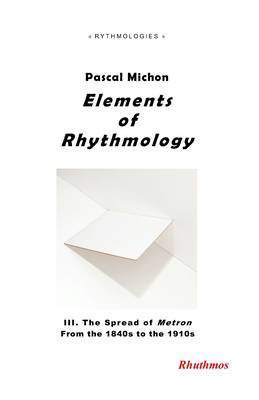
The recent transformations of the world-the new cycle in which capitalism has entered, the globalization of trade, production and consumption, the spreading of new communication technologies, the growing urbanization and the fluidization of our societies and lives-have triggered a search for new critical tools. It is no coincidence that rhythm has become, since the 1990s, both a subject of investigation and a methodological instrument in a growing number of disciplines. Its success is so remarkable that it seems now on the verge of becoming a new scientific paradigm, somewhat like system, structure, individual or difference in the second half of the 20th century. But its history and thus the multiple meanings it has been endowed with are still very badly known. Old models of rhythm are still commonly used, while more recent and efficient ones are left aside. This book is the third installment of a series that aims at providing some of the elements of rhythmology we need to better assess the significance of the current scientific change, as well as the ethical and political empowerment it may involve.
Specificaties
Betrokkenen
- Auteur(s):
- Uitgeverij:
Inhoud
- Aantal bladzijden:
- 400
- Taal:
- Engels
- Reeks:
- Reeksnummer:
- nr. 3
Eigenschappen
- Productcode (EAN):
- 9791095155201
- Verschijningsdatum:
- 24/03/2019
- Uitvoering:
- Paperback
- Formaat:
- Trade paperback (VS)
- Afmetingen:
- 140 mm x 216 mm
- Gewicht:
- 503 g


Alleen bij Standaard Boekhandel
+ 90 punten op je klantenkaart van Standaard Boekhandel
Cadeau

AANGERADEN


Beoordelingen
We publiceren alleen reviews die voldoen aan de voorwaarden voor reviews. Bekijk onze voorwaarden voor reviews.