


- Afhalen na 1 uur in een winkel met voorraad
- Gratis thuislevering in België vanaf € 30
- Ruim aanbod met 7 miljoen producten
- Afhalen na 1 uur in een winkel met voorraad
- Gratis thuislevering in België vanaf € 30
- Ruim aanbod met 7 miljoen producten





€ 64,45
+ 128 punten
Omschrijving
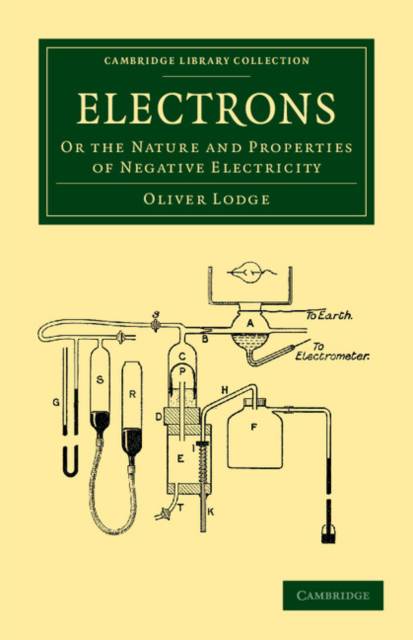
The discovery in 1897 of the electron, the first subatomic particle, led to rapid advances in our knowledge of atomic structure, the solid state, radioactivity and chemistry. It also raised major questions. Was the electron point-like or did it have structure? Was there a positive electron? What did the positive part of the atom look like? Did a hydrogen atom have one electron or a thousand? Published in 1906, this expository account by leading physicist Sir Oliver Lodge (1851-1940) examines the spectacular phenomena of cathode rays in evacuated tubes, the fixed units of charge observed in electrolysis, and the puzzling regularities in atomic spectra. Lodge knew most of the pioneers in the field, and his enthusiastic descriptions of their work and clear analyses of the problems as well as successes paint a vivid picture of the excitement of cutting-edge research and the scientific process in action.
Specificaties
Betrokkenen
- Auteur(s):
- Uitgeverij:
Inhoud
- Aantal bladzijden:
- 252
- Taal:
- Engels
- Reeks:
Eigenschappen
- Productcode (EAN):
- 9781108052146
- Verschijningsdatum:
- 12/07/2012
- Uitvoering:
- Paperback
- Formaat:
- Trade paperback (VS)
- Afmetingen:
- 140 mm x 216 mm
- Gewicht:
- 322 g


Alleen bij Standaard Boekhandel
+ 128 punten op je klantenkaart van Standaard Boekhandel
Cadeau

AANGERADEN


Beoordelingen
We publiceren alleen reviews die voldoen aan de voorwaarden voor reviews. Bekijk onze voorwaarden voor reviews.