


- Afhalen na 1 uur in een winkel met voorraad
- Gratis thuislevering in België vanaf € 30
- Ruim aanbod met 7 miljoen producten
- Afhalen na 1 uur in een winkel met voorraad
- Gratis thuislevering in België vanaf € 30
- Ruim aanbod met 7 miljoen producten




€ 69,45
Omschrijving
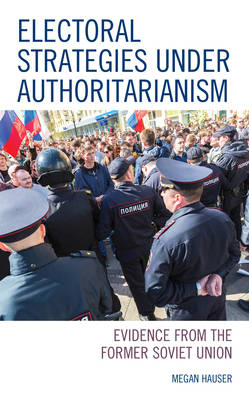
This book explores the types of electoral strategies used in non-democratic countries. It focuses on manipulation by the government as well as efforts to push back against the regime by opposition forces. Relying on data and case studies from the former Soviet Union, it finds that these actors view elections as tools to achieve various goals either in the short-term or the long term. More specifically, parties and candidates will sometimes engage in self-defeating or unnecessary behavior in the short-term if they think it will serve a long term purpose. This book examines different ways that governments seek to sway the election to their favor, as well as under what conditions opposition actors may unite or boycott the election altogether. The conclusions of this book reveal that elections even in authoritarian settings matter for political decision making, but that they may not be serving democratic functions.
Specificaties
Betrokkenen
- Auteur(s):
- Uitgeverij:
Inhoud
- Aantal bladzijden:
- 232
- Taal:
- Engels
- Reeks:
Eigenschappen
- Productcode (EAN):
- 9781498556736
- Verschijningsdatum:
- 5/04/2023
- Uitvoering:
- Paperback
- Formaat:
- Trade paperback (VS)
- Afmetingen:
- 152 mm x 229 mm
- Gewicht:
- 344 g


Alleen bij Standaard Boekhandel
Cadeau

AANGERADEN


Beoordelingen
We publiceren alleen reviews die voldoen aan de voorwaarden voor reviews. Bekijk onze voorwaarden voor reviews.