


- Afhalen na 1 uur in een winkel met voorraad
- Gratis thuislevering in België vanaf € 30
- Ruim aanbod met 7 miljoen producten
- Afhalen na 1 uur in een winkel met voorraad
- Gratis thuislevering in België vanaf € 30
- Ruim aanbod met 7 miljoen producten





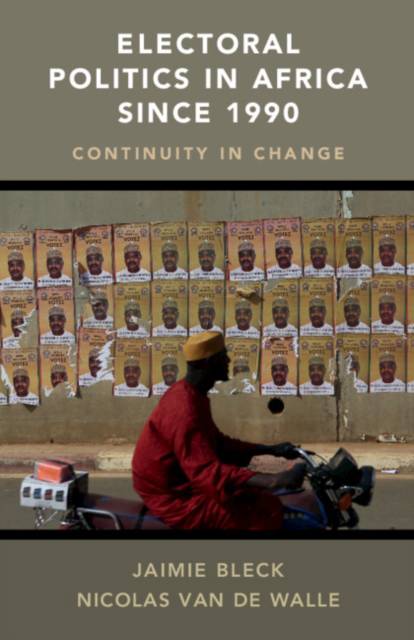
Electoral Politics in Africa since 1990
Continuity in Change
Jaimie Bleck, Nicolas Van de Walle
Paperback | Engels
€ 53,45
+ 106 punten
Uitvoering
Omschrijving
Democratic transitions in the early 1990s introduced a sea change in Sub-Saharan African politics. Between 1990 and 2015, several hundred competitive legislative and presidential elections were held in all but a handful of the region's countries. This book is the first comprehensive comparative analysis of the key issues, actors, and trends in these elections over the last quarter century. The book asks: what motivates African citizens to vote? What issues do candidates campaign on? How has the turn to regular elections promoted greater democracy? Has regular electoral competition made a difference for the welfare of citizens? The authors argue that regular elections have both caused significant changes in African politics and been influenced in turn by a rapidly changing continent - even if few of the political systems that now convene elections can be considered democratic, and even if many old features of African politics persist.
Specificaties
Betrokkenen
- Auteur(s):
- Uitgeverij:
Inhoud
- Aantal bladzijden:
- 340
- Taal:
- Engels
Eigenschappen
- Productcode (EAN):
- 9781316612477
- Verschijningsdatum:
- 29/11/2018
- Uitvoering:
- Paperback
- Formaat:
- Trade paperback (VS)
- Afmetingen:
- 190 mm x 229 mm
- Gewicht:
- 453 g


Alleen bij Standaard Boekhandel
+ 106 punten op je klantenkaart van Standaard Boekhandel
Cadeau

AANGERADEN


Beoordelingen
We publiceren alleen reviews die voldoen aan de voorwaarden voor reviews. Bekijk onze voorwaarden voor reviews.