


- Afhalen na 1 uur in een winkel met voorraad
- Gratis thuislevering in België vanaf € 30
- Ruim aanbod met 7 miljoen producten
- Afhalen na 1 uur in een winkel met voorraad
- Gratis thuislevering in België vanaf € 30
- Ruim aanbod met 7 miljoen producten





€ 55,95
+ 111 punten
Omschrijving
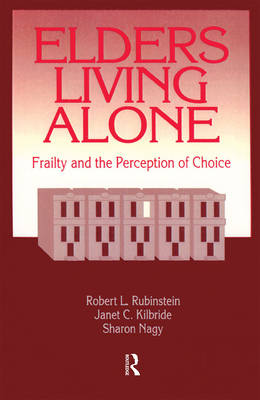
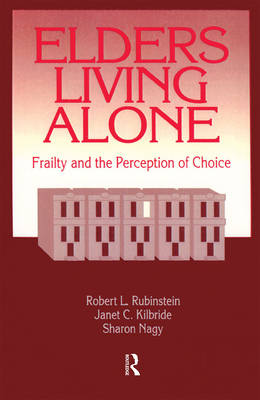
What is it like to be old, have many health problems, and live alone? Never before have there been so many elders, and never before have so many of them been living alone and pursuing their lives independently. This book enters the lives of frail elders who live alone and vividly conveys their continuing struggle to maintain their independence. Many look to their homes as the important facilitating element for that independence, and that the home environment as well as personal space are the most significant elements for elders living alone.The authors' approach combines an eye and an ear for the telling individual detail, in all of its human complexity, with broader societal and communal concerns. In interviewing their subjects, Rubinstein and his colleagues examine how these elders view the choices they have, understand their independence, and raise possibilities and alternatives. Using a framework that will interest both anthropologists and case workers, the authors explore the cultural background of concepts such as independence and choice, and how they are symbolically located in the home.The authors register their subjects' urban isolation, fraught with needs of the most basic kind, imperiled by intermittent and uncertain human conduct, erratic provision, and occasionally engulfing solitude. These voices, seldom heard and often with reluctance, are caught and interpreted in these pages. The general hypothesis was that active management of the environment is itself a source of well-being for frail elders living alone.
Specificaties
Betrokkenen
- Auteur(s):
- Uitgeverij:
Inhoud
- Aantal bladzijden:
- 188
- Taal:
- Engels
- Reeks:
Eigenschappen
- Productcode (EAN):
- 9780202360843
- Verschijningsdatum:
- 8/01/1992
- Uitvoering:
- Paperback
- Formaat:
- Trade paperback (VS)
- Afmetingen:
- 362 mm x 224 mm
- Gewicht:
- 249 g


Alleen bij Standaard Boekhandel
+ 111 punten op je klantenkaart van Standaard Boekhandel
Cadeau

AANGERADEN


Beoordelingen
We publiceren alleen reviews die voldoen aan de voorwaarden voor reviews. Bekijk onze voorwaarden voor reviews.