


- Afhalen na 1 uur in een winkel met voorraad
- Gratis thuislevering in België vanaf € 30
- Ruim aanbod met 7 miljoen producten
- Afhalen na 1 uur in een winkel met voorraad
- Gratis thuislevering in België vanaf € 30
- Ruim aanbod met 7 miljoen producten





€ 64,00
+ 128 punten
Omschrijving
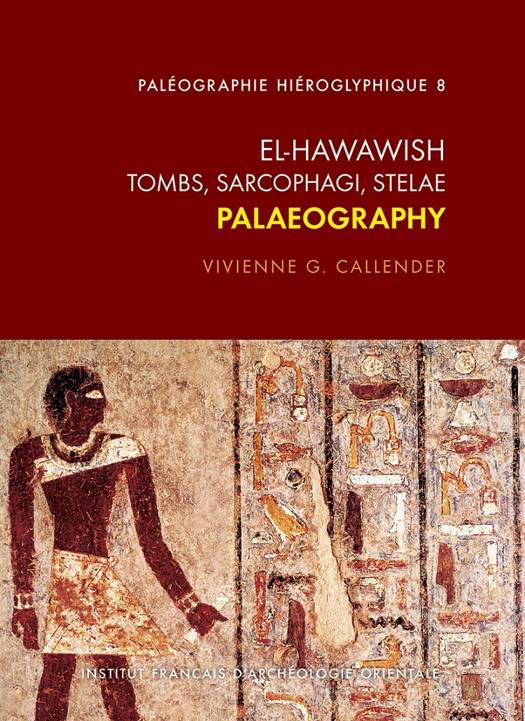
This present study in the series Paleographie hieroglyphique offers a segment of hieroglyphic writing from a discrete period: the disturbed times from the end of the Old Kingdom to the end of the First Intermediate Period. Unlike other volumes in this series, however, the hieroglyphs from the Akhmim cemetery of El-Hawawish have been drawn from various sources: tomb reliefs and paintings, stelae, wooden coffins and statues; consequently, both the length of the era and the varied nature of the writing surfaces and the materials used at times encouraged the introduction of numerous and interesting variations into Egypt's hieroglyphic corpus. The Australian publication of this hieroglyphic record from El-Hawawish has been especially important because of the poor state of preservation of the tombs and the limited printed material available prior to the 1980s. The original documentation was carried out by volunteer students from the universities of Auckland (New Zealand) and Macquarie (Australia), under the inspiration and guidance of Professor Naguib Kanawati. Particularly notable are the careful transcriptions from the wooden coffins from this era, revealing a most inventive and sophisticated approach to writing so many thousands of years ago. Without the dedicated work of those numerous modern hands, the El-Hawawish hieroglyphic corpus would have been lost forever. This volume presents a representative sample of that precious writing.
Specificaties
Betrokkenen
- Auteur(s):
- Uitgeverij:
Inhoud
- Aantal bladzijden:
- 644
- Taal:
- Engels
- Reeks:
- Reeksnummer:
- nr. 8
Eigenschappen
- Productcode (EAN):
- 9782724707311
- Verschijningsdatum:
- 3/10/2019
- Uitvoering:
- Hardcover
- Formaat:
- Genaaid
- Afmetingen:
- 205 mm x 282 mm
- Gewicht:
- 2212 g


Alleen bij Standaard Boekhandel
+ 128 punten op je klantenkaart van Standaard Boekhandel
Cadeau

AANGERADEN


Beoordelingen
We publiceren alleen reviews die voldoen aan de voorwaarden voor reviews. Bekijk onze voorwaarden voor reviews.