


- Afhalen na 1 uur in een winkel met voorraad
- Gratis thuislevering in België vanaf € 30
- Ruim aanbod met 7 miljoen producten
- Afhalen na 1 uur in een winkel met voorraad
- Gratis thuislevering in België vanaf € 30
- Ruim aanbod met 7 miljoen producten





Omschrijving
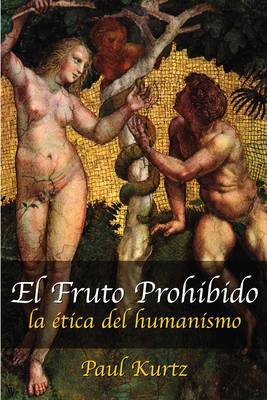
Is it possible to live the good life and be morally responsible without religious belief? In this translation from the English original for Spanish-language readers, Paul Kurtz, America's leading secular-humanist philosopher, affirms that it is. Although orthodox theists and fundamentalists deny this possibility and reject secularism, Kurtz is firmly convinced that we can transcend the limits of parochial loyalties and achieve a higher stage of ethics. Since history has shown that belief in God is no guarantee of moral virtue, Kurtz maintains that we need to move beyond now-outmoded theistic belief systems. He argues for the development of a rational ethics based on a realistic appraisal of nature and an awareness of the common moral decencies shared by all peoples. Only by summoning the courage and wisdom to eat the "forbidden fruit" of the tree of the knowledge of good and evil, will we be able to ground principles and values in autonomous reason and discover significant ethical truths that can guide both self-reliant conduct and consideration for the rights of others.
"Forbidden Fruit" contains important chapters on privacy and human rights, and presents concrete ethical recommendations as alternatives to the reigning orthodoxies.
"Forbidden Fruit" contains important chapters on privacy and human rights, and presents concrete ethical recommendations as alternatives to the reigning orthodoxies.
Specificaties
Betrokkenen
- Auteur(s):
- Uitgeverij:
Inhoud
- Aantal bladzijden:
- 246
- Taal:
- Engels
Eigenschappen
- Productcode (EAN):
- 9781591020448
- Verschijningsdatum:
- 1/08/2003
- Uitvoering:
- Paperback
- Formaat:
- Trade paperback (VS)
- Afmetingen:
- 161 mm x 228 mm
- Gewicht:
- 353 g


Alleen bij Standaard Boekhandel
+ 62 punten op je klantenkaart van Standaard Boekhandel
AANGERADEN


Beoordelingen
We publiceren alleen reviews die voldoen aan de voorwaarden voor reviews. Bekijk onze voorwaarden voor reviews.