


- Afhalen na 1 uur in een winkel met voorraad
- Gratis thuislevering in België vanaf € 30
- Ruim aanbod met 7 miljoen producten
- Afhalen na 1 uur in een winkel met voorraad
- Gratis thuislevering in België vanaf € 30
- Ruim aanbod met 7 miljoen producten





€ 29,95
+ 59 punten
Omschrijving
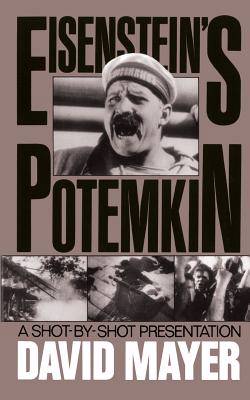
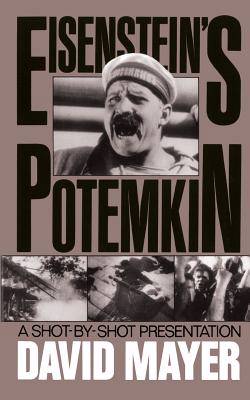
Sergei M. Eisenstein's Potemkin, a vivid account of the mutiny of Russian sailors on a Czarist battleship in 1905, is universally acknowledged to be one of the greatest films of all time. Until now, however, Potemkin's astonishing vividness and artistry has never been translated satisfactorily into print. David Mayer's precise, shot-by-shot re-creation of Potemkin, the product of five years' work, is unquestionably definitive. For the student, it is a complete and faithful guide to the film. For the non-initiate, it can be read as a novel-a magnificent story of revolution and repression. With nearly three hundred illustrations, it can be used as a screenplay by film lovers. Mayer's concise introduction analyzes Eisenstein's innovative montage concepts and illustrates them with sequences of frames from the film. Now, with descriptions of each of the more than 1300 shot that make up the authoritative Museum of Modern Art version, even the smallest particulars of Eisenstein's directorial genius can be discovered and studied without losing Potemkin's narrative and visual flow.
Specificaties
Betrokkenen
- Auteur(s):
- Uitgeverij:
Inhoud
- Aantal bladzijden:
- 252
- Taal:
- Engels
Eigenschappen
- Productcode (EAN):
- 9780306803888
- Verschijningsdatum:
- 22/03/1990
- Uitvoering:
- Paperback
- Formaat:
- Trade paperback (VS)
- Afmetingen:
- 136 mm x 201 mm
- Gewicht:
- 322 g


Alleen bij Standaard Boekhandel
+ 59 punten op je klantenkaart van Standaard Boekhandel
AANGERADEN


Beoordelingen
We publiceren alleen reviews die voldoen aan de voorwaarden voor reviews. Bekijk onze voorwaarden voor reviews.