


- Afhalen na 1 uur in een winkel met voorraad
- Gratis thuislevering in België vanaf € 30
- Ruim aanbod met 7 miljoen producten
- Afhalen na 1 uur in een winkel met voorraad
- Gratis thuislevering in België vanaf € 30
- Ruim aanbod met 7 miljoen producten





€ 54,45
+ 108 punten
Omschrijving
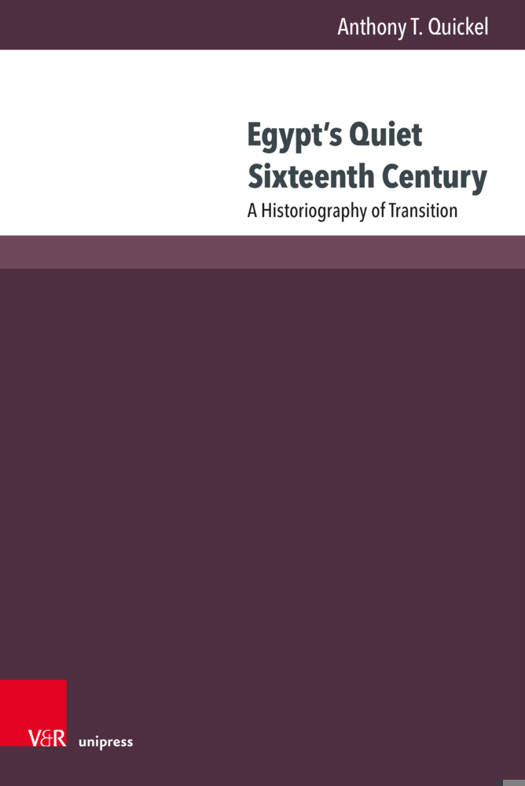
This book examines one of the most obscure periods in Egypt's Islamic history: the sixteenth century, a time of major transition between the Mamluk Sultanate and Ottoman rule. Despite its importance, the century remains poorly understood due to a significant gap in the historical record. Focusing on this lacuna, the study explores how the Ottoman conquest of 1517 disrupted the social and institutional conditions that had previously supported historical writing and scholarly production. Drawing on chronicles, manuscript catalogs, and material evidence, it traces how Cairo's intellectual life, book markets, and the very act of writing history were transformed. In doing so, it repositions the sixteenth century as a vital hinge between the late medieval and early modern periods and reconsiders the period's supposed "quietude" as a historiographical problem, not a historical fact.
Specificaties
Betrokkenen
- Auteur(s):
- Uitgeverij:
Inhoud
- Taal:
- Engels
- Reeks:
- Reeksnummer:
- nr. 13
Eigenschappen
- Productcode (EAN):
- 9783847119517
- Verschijningsdatum:
- 9/11/2026
- Uitvoering:
- Hardcover


Alleen bij Standaard Boekhandel
+ 108 punten op je klantenkaart van Standaard Boekhandel
Cadeau

AANGERADEN


Beoordelingen
We publiceren alleen reviews die voldoen aan de voorwaarden voor reviews. Bekijk onze voorwaarden voor reviews.