



Je cadeautjes zeker op tijd in huis hebben voor de feestdagen? Kom langs in onze winkels en vind het perfecte geschenk!
- Afhalen na 1 uur in een winkel met voorraad
- Gratis thuislevering in België vanaf € 30
- Ruim aanbod met 7 miljoen producten
Je cadeautjes zeker op tijd in huis hebben voor de feestdagen? Kom langs in onze winkels en vind het perfecte geschenk!
- Afhalen na 1 uur in een winkel met voorraad
- Gratis thuislevering in België vanaf € 30
- Ruim aanbod met 7 miljoen producten





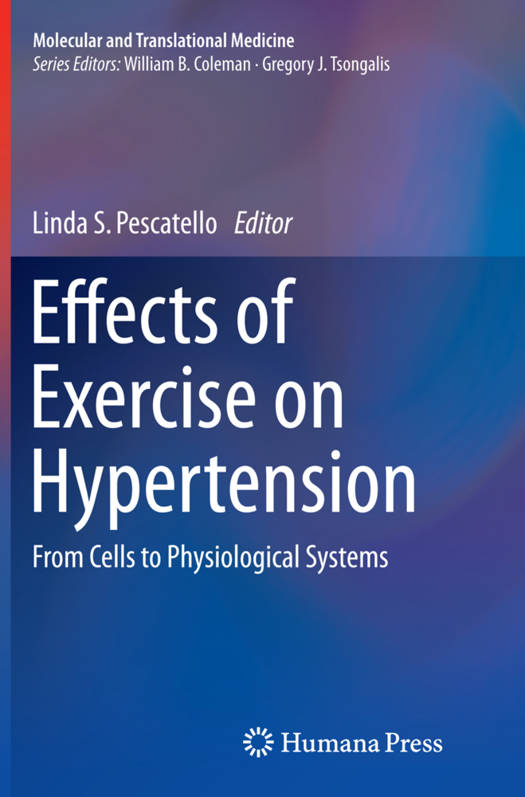
Effects of Exercise on Hypertension
From Cells to Physiological Systems
€ 104,95
+ 209 punten
Omschrijving
As the first primer on the effects of exercise on human hypertension, Effects of Exercise on Hypertension: From Cells to Physiological Systems provides the state-of-the-art effects of exercise on the many possible mechanisms underlying essential hypertension in humans. The book contains chapters by distinguished experts on the effects of exercise on physiological systems known to be involved in hypertension development and maintenance as well as less well known aspects of hypertension such as 24-hour ambulatory blood pressure profile and oxidative stress. An emerging area, the effects of resistance exercise training on blood pressure is also covered. A unique aspect of the book is that it covers the effects of exercise mimetics on vascular cell adaptations in order to begin to elucidate some of the cellular mechanisms that may underlie blood pressure reductions with exercise training. Lastly, the book will end with a chapter on the interactive effects of genes and exercise on blood pressure. Chapters are grouped by physiological system or mechanism. The text begins with two overview chapters; one on the general effects of aerobic exercise training and the second on the general effects of resistance exercise training on blood pressure. Each chapter begins with a bulleted list of key points. Effects of Exercise on Hypertension: From Cells to Physiological Systems will be of great value to professional individuals in cardiovascular medicine, the cardiovascular sciences, allied health care professionals, and medical and graduate students in the cardiovascular sciences and medicine.
Specificaties
Betrokkenen
- Uitgeverij:
Inhoud
- Aantal bladzijden:
- 334
- Taal:
- Engels
- Reeks:
Eigenschappen
- Productcode (EAN):
- 9783319356990
- Verschijningsdatum:
- 15/10/2016
- Uitvoering:
- Paperback
- Afmetingen:
- 155 mm x 16 mm
- Gewicht:
- 611 g

Alleen bij Standaard Boekhandel
+ 209 punten op je klantenkaart van Standaard Boekhandel
CADEAU


Beoordelingen
We publiceren alleen reviews die voldoen aan de voorwaarden voor reviews. Bekijk onze voorwaarden voor reviews.