


- Afhalen na 1 uur in een winkel met voorraad
- Gratis thuislevering in België vanaf € 30
- Ruim aanbod met 7 miljoen producten
- Afhalen na 1 uur in een winkel met voorraad
- Gratis thuislevering in België vanaf € 30
- Ruim aanbod met 7 miljoen producten




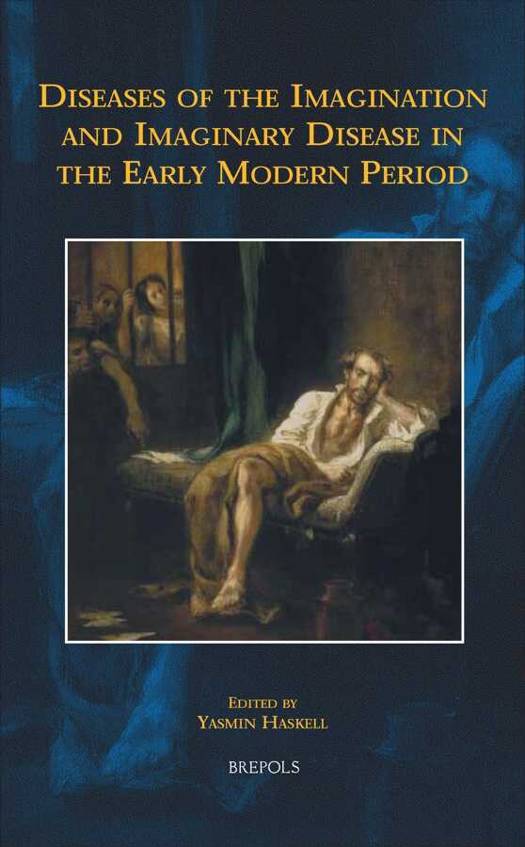
Eer 02 Diseases of the Imagination and Imaginary Disease, Haskell
Yasmin Haskell
€ 121,90
+ 243 punten
Omschrijving
The early modern period was arguably the greatest 'age of the imagination' in Europe, and certainly the period in which the powers attributed to that faculty had the greatest consequences - both in theory and in ordinary people's lives. Theologians and physicians debated the reality of witchcraft (no simple battle between Religion and Science, as believers and doubters could be found on both sides); the existence and pathology of werewolves and vampires; the role of the imagination in influencing the unborn child and in causing disease even in remote others. The imagination was implicated in conditions from plague, lovesickness, and anger through to hysteric and hypochondriac disease - the latter a frightening syndrome of gastric, respiratory, cardiac, and psychiatric problems believed to be epidemic. The essays in this volume, by established and emerging scholars from diverse intellectual and cultural traditions, explore Latin and vernacular, philosophical, medical, poetic, dramatic, epistolary, and juridical sources to expose the tangled conceptual roots of our modern affective, anxiety and somatoform disorders. They confirm that controversies about 'mad' versus 'bad', 'real' versus 'psychosomatic' complaints, and the interdependence of perception, emotion, and physical illness are by no means a monopoly of our times.
Specificaties
Betrokkenen
- Auteur(s):
- Uitgeverij:
Inhoud
- Aantal bladzijden:
- 450
- Taal:
- Engels
- Reeks:
- Reeksnummer:
- nr. 2
Eigenschappen
- Productcode (EAN):
- 9782503527963
- Verschijningsdatum:
- 13/01/2012
- Uitvoering:
- Hardcover
- Formaat:
- Genaaid
- Afmetingen:
- 160 mm x 236 mm
- Gewicht:
- 816 g


Alleen bij Standaard Boekhandel
+ 243 punten op je klantenkaart van Standaard Boekhandel
AANGERADEN


Beoordelingen
We publiceren alleen reviews die voldoen aan de voorwaarden voor reviews. Bekijk onze voorwaarden voor reviews.