



Bedankt voor het vertrouwen het afgelopen jaar! Om jou te bedanken bieden we GRATIS verzending (in België) aan op alles gedurende de hele maand januari.
- Afhalen na 1 uur in een winkel met voorraad
- In januari gratis thuislevering in België
- Ruim aanbod met 7 miljoen producten
Bedankt voor het vertrouwen het afgelopen jaar! Om jou te bedanken bieden we GRATIS verzending (in België) aan op alles gedurende de hele maand januari.
- Afhalen na 1 uur in een winkel met voorraad
- In januari gratis thuislevering in België
- Ruim aanbod met 7 miljoen producten





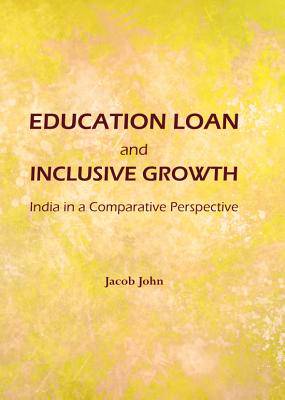
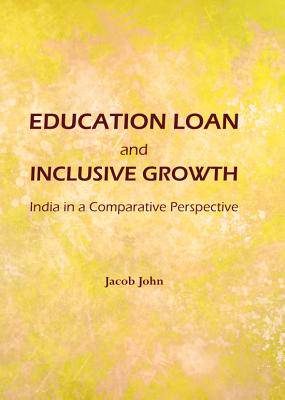
Education Loan and Inclusive Growth
India in a Comparative Perspective
Jacob John
Hardcover | Engels
€ 115,45
+ 230 punten
Omschrijving
The book discusses the significance of the education loan as a tool for financing the higher education of students of all backgrounds in developing countries with special reference to India. The academic cost of providing greater access to higher education with emphasis on quality is disproportionately high in several developing countries and, as such, there is a need to raise more resources to meet the different components of costs of higher education such as academic costs, academic support cost and student welfare costs. There is also an emerging need for raising resources from non-government sources to fund higher education. The education loan within an appropriate framework of inclusiveness is a significant non-government source of finance. The book deals with different models of education loan systems prevailing in various countries and covers Indian experiences in the area of education loans, as a case study of a developing country. Based on field studies conducted in four Indian states, the book explains that the higher education loan system in India has not been inclusive of poorer sections of society, particularly people from rural areas. The book also includes an elaborate discussion on the operation of education loans given by banks in four Indian states and examines various issues of the education loan system and formulates an action plan to popularize it as a tool for financing higher education in developing countries. The book will interest scholars and practitioners in the areas of education, banking and finance generally, and development economics in particular.
Specificaties
Betrokkenen
- Auteur(s):
- Uitgeverij:
Inhoud
- Aantal bladzijden:
- 125
- Taal:
- Engels
Eigenschappen
- Productcode (EAN):
- 9781443847193
- Verschijningsdatum:
- 1/05/2013
- Uitvoering:
- Hardcover
- Formaat:
- Genaaid
- Afmetingen:
- 152 mm x 208 mm
- Gewicht:
- 453 g


Alleen bij Standaard Boekhandel
+ 230 punten op je klantenkaart van Standaard Boekhandel
SOLDEN


Beoordelingen
We publiceren alleen reviews die voldoen aan de voorwaarden voor reviews. Bekijk onze voorwaarden voor reviews.