


- Afhalen na 1 uur in een winkel met voorraad
- Gratis thuislevering in België vanaf € 30
- Ruim aanbod met 7 miljoen producten
- Afhalen na 1 uur in een winkel met voorraad
- Gratis thuislevering in België vanaf € 30
- Ruim aanbod met 7 miljoen producten





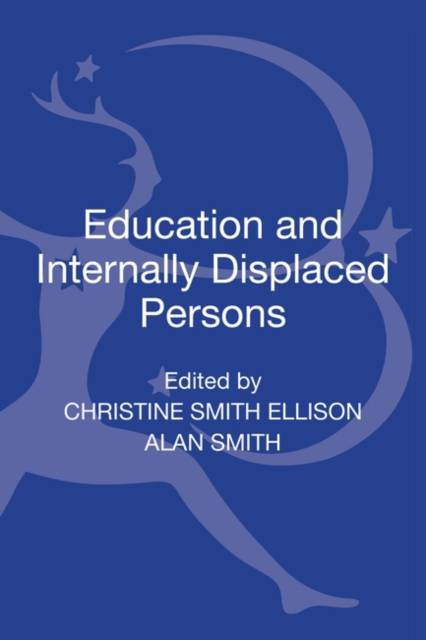
Education and Internally Displaced Persons
€ 440,95
+ 881 punten
Eenvoudig bestellen
Veilig betalen


Gratis thuislevering vanaf € 30 (via bpost)
Gratis levering in je Standaard Boekhandel
Omschrijving
What are the barriers to education for internally displaced persons? How can these be overcome? Drawing on research from a diverse set of countries, including the the USA, Somalia, Colombia, Pakistan, Sri Lanka and Bosnia and Herzegovina, the contributors consider the relationship between education and internally displaced persons. These case studies raise fundamental questions regarding the barriers to education and some unexpected benefits for displaced children. The dynamics that impact access and quality of education for internally displaced people are examined and the role education can play in rebuilding societies and strengthening peace building processes is considered.Each case study brings to light a different aspect of displacement including various causes: current legal protection and its implications for government action and practical responses; challenges arising from country contexts related to the scale and duration of displacement; and the role of education in meeting the needs of returnees.
Specificaties
Betrokkenen
- Uitgeverij:
Inhoud
- Aantal bladzijden:
- 208
- Taal:
- Engels
- Reeks:
Eigenschappen
- Productcode (EAN):
- 9781441172143
- Verschijningsdatum:
- 20/12/2012
- Uitvoering:
- Hardcover
- Formaat:
- Genaaid
- Afmetingen:
- 155 mm x 234 mm
- Gewicht:
- 544 g

Alleen bij Standaard Boekhandel
+ 881 punten op je klantenkaart van Standaard Boekhandel
CADEAU

AANGERADEN


Beoordelingen
We publiceren alleen reviews die voldoen aan de voorwaarden voor reviews. Bekijk onze voorwaarden voor reviews.