


- Afhalen na 1 uur in een winkel met voorraad
- Gratis thuislevering in België vanaf € 30
- Ruim aanbod met 7 miljoen producten
- Afhalen na 1 uur in een winkel met voorraad
- Gratis thuislevering in België vanaf € 30
- Ruim aanbod met 7 miljoen producten





€ 24,45
+ 48 punten
Omschrijving
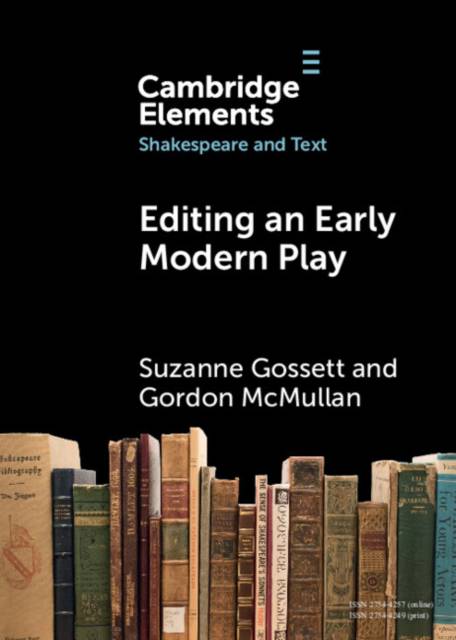
More than half a century ago Clifford Leech published a useful essay called 'On editing one's first play', intended to 'save newly commissioned editors from a sense of frustration and an expense of time' by providing 'some guiding-lines'. The intervening years have seen massive changes in attitudes towards editing and in the technical expertise required. Neither editor nor reader can any longer be assumed to be white, male and Christian, or trained in the classics and the Bible. Editing is now recognized as a crucial intersection between critical and textual theory. Yet the skills required are not usually taught in graduate schools, and many competent scholars are uncomfortable answering such questions as 'what do editors actually do when they edit an early modern play?' This Element focuses both on the practical steps of editing (e.g. choosing a base text, modernizing, emending, etc.) and the theoretical premises underlying editorial decisions.
Specificaties
Betrokkenen
- Auteur(s):
- Uitgeverij:
Inhoud
- Aantal bladzijden:
- 112
- Taal:
- Engels
- Reeks:
Eigenschappen
- Productcode (EAN):
- 9781009405584
- Verschijningsdatum:
- 23/04/2026
- Uitvoering:
- Paperback
- Formaat:
- Trade paperback (VS)
- Afmetingen:
- 127 mm x 178 mm
- Gewicht:
- 104 g


Alleen bij Standaard Boekhandel
+ 48 punten op je klantenkaart van Standaard Boekhandel
Cadeau

AANGERADEN


Beoordelingen
We publiceren alleen reviews die voldoen aan de voorwaarden voor reviews. Bekijk onze voorwaarden voor reviews.