


- Afhalen na 1 uur in een winkel met voorraad
- Gratis thuislevering in België vanaf € 30
- Ruim aanbod met 7 miljoen producten
- Afhalen na 1 uur in een winkel met voorraad
- Gratis thuislevering in België vanaf € 30
- Ruim aanbod met 7 miljoen producten





€ 24,65
+ 24 punten
Uitvoering
Omschrijving
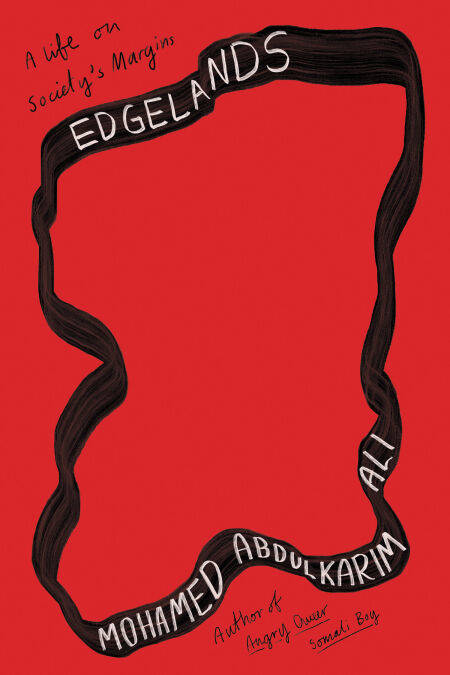
In Edgelands, Somali-Canadian writer Mohamed Abdulkarim Ali, author of Angry Queer Somali Boy, explores what it means to live life on the margins, in the city and beyond, and offers a unique perspective on the way we live now.
Somali, Muslim, gay, and three times an immigrant, Mohamed Abdulkarim Ali has always existed in a fraught state of transience. He has been forced across several borders, both geographical and personal, from being kidnapped by his father at the age of five to narrowly escaping an arranged marriage at nineteen. He subsequently became a substance abuser with no permanent address, and finally a university graduate and writer.
In Edgelands, Ali excavates these acute points of transience in his life to seek places, both internal and external, where he could belong. The library became a space through which his family’s history unfurled itself to him, forcing reckonings with his racialized body and the role it is coerced to play in North American society. Walks through the city’s fringe neighbourhoods prompted radical reimaginings of what the plaques and monuments dotting these streets truly memorialize. And Ali’s drug dependency, in all its glittering, insidious entrapments, served also to open doors into a world of freedom, beauty, and terror, of true queer expression as well as its unseen costs.
From his perch at the margins of society and with clear-eyed and rhythmic writing, Ali combines a trenchant personal history with penetrating social criticism, and asks profound questions about identity, displacement, and the geography of belonging in our increasingly complex, globalized world.
Somali, Muslim, gay, and three times an immigrant, Mohamed Abdulkarim Ali has always existed in a fraught state of transience. He has been forced across several borders, both geographical and personal, from being kidnapped by his father at the age of five to narrowly escaping an arranged marriage at nineteen. He subsequently became a substance abuser with no permanent address, and finally a university graduate and writer.
In Edgelands, Ali excavates these acute points of transience in his life to seek places, both internal and external, where he could belong. The library became a space through which his family’s history unfurled itself to him, forcing reckonings with his racialized body and the role it is coerced to play in North American society. Walks through the city’s fringe neighbourhoods prompted radical reimaginings of what the plaques and monuments dotting these streets truly memorialize. And Ali’s drug dependency, in all its glittering, insidious entrapments, served also to open doors into a world of freedom, beauty, and terror, of true queer expression as well as its unseen costs.
From his perch at the margins of society and with clear-eyed and rhythmic writing, Ali combines a trenchant personal history with penetrating social criticism, and asks profound questions about identity, displacement, and the geography of belonging in our increasingly complex, globalized world.
Specificaties
Betrokkenen
- Auteur(s):
- Uitgeverij:
Inhoud
- Aantal bladzijden:
- 272
- Taal:
- Engels
Eigenschappen
- Productcode (EAN):
- 9781039000414
- Verschijningsdatum:
- 17/08/2026
- Uitvoering:
- E-book
- Beveiligd met:
- Adobe DRM
- Formaat:
- ePub


Alleen bij Standaard Boekhandel
+ 24 punten op je klantenkaart van Standaard Boekhandel
Cadeau

AANGERADEN


Beoordelingen
We publiceren alleen reviews die voldoen aan de voorwaarden voor reviews. Bekijk onze voorwaarden voor reviews.