


- Afhalen na 1 uur in een winkel met voorraad
- Gratis thuislevering in België vanaf € 30
- Ruim aanbod met 7 miljoen producten
- Afhalen na 1 uur in een winkel met voorraad
- Gratis thuislevering in België vanaf € 30
- Ruim aanbod met 7 miljoen producten





€ 185,95
+ 371 punten
Uitvoering
Omschrijving
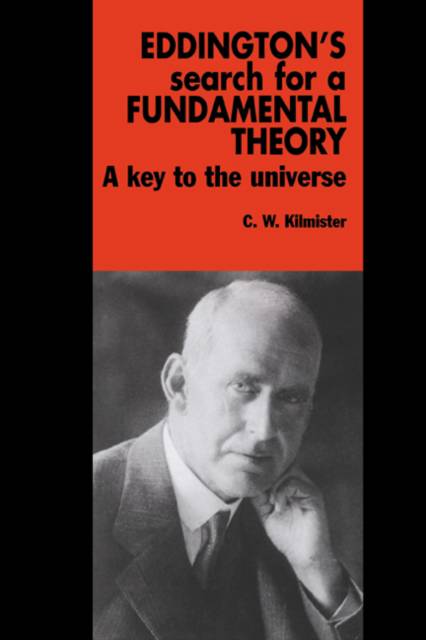
Many people today are unaware that back in the 1930s, Sir Arthur Eddington, the celebrated astrophysicist, made great strides toward his own "theory of everything". In 1936 and 1946 Eddington's last two books were published. These works are strangely tentative and obscure, unlike his earlier lucid and authoritative works. This volume examines how Eddington came to write these uncharacteristic books--in terms of the physics and history of the day--and what value they have to modern physics. The result is an illuminating description of the development of theoretical physics in the first half of the twentieth century from a unique point of view. It will provide fascinating reading for scholars in the philosophy of science, theoretical physics, applied mathematics and the history of science.
Specificaties
Betrokkenen
- Auteur(s):
- Uitgeverij:
Inhoud
- Aantal bladzijden:
- 270
- Taal:
- Engels
Eigenschappen
- Productcode (EAN):
- 9780521371650
- Verschijningsdatum:
- 26/01/1995
- Uitvoering:
- Hardcover
- Formaat:
- Genaaid
- Afmetingen:
- 157 mm x 235 mm
- Gewicht:
- 571 g


Alleen bij Standaard Boekhandel
+ 371 punten op je klantenkaart van Standaard Boekhandel
AANGERADEN


Beoordelingen
We publiceren alleen reviews die voldoen aan de voorwaarden voor reviews. Bekijk onze voorwaarden voor reviews.