


- Afhalen na 1 uur in een winkel met voorraad
- Gratis thuislevering in België vanaf € 30
- Ruim aanbod met 7 miljoen producten
- Afhalen na 1 uur in een winkel met voorraad
- Gratis thuislevering in België vanaf € 30
- Ruim aanbod met 7 miljoen producten





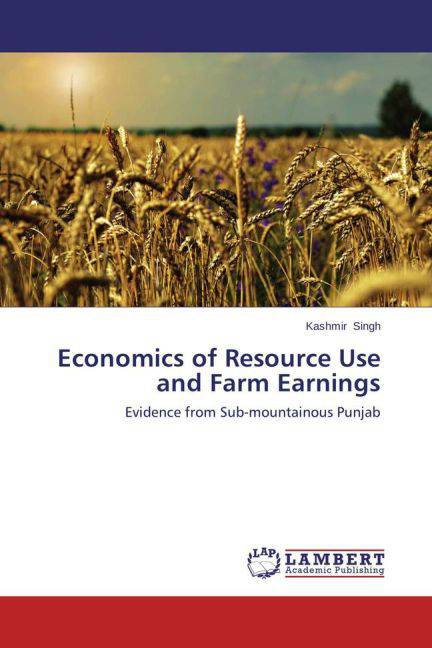
Economics of Resource Use and Farm Earnings
Evidence from Sub-mountainous Punjab
Kashmir Singh
Paperback | Engels
€ 51,45
+ 102 punten
Omschrijving
The amazing success story of modernization and transformation of traditional agriculture of Punjab and rural development on introduction of Green Revolution technology during mid sixties is known worldwide. However, passing through the agro-climatically fragile North-eastern foothill sub-mountainous region of the state, one wonders whether the area constitutes the part of much acclaimed development model of rural transformation. For such regions, optimal use of scarce resources is the first and foremost short run option with the stakeholders to improve production efficiency, rural development and livings conditions of the people. Based on an intensive field investigation by the author, the present study measure the resource use efficiency of alternative cropping systems, identifies the economic gaps and suggests the most suitable optimal cropping and livestock pattern for the region that on implementation may go a long way in modernization and rapid transformation of the economy of this underdeveloped part of the state.
Specificaties
Betrokkenen
- Auteur(s):
- Uitgeverij:
Inhoud
- Aantal bladzijden:
- 200
- Taal:
- Engels
Eigenschappen
- Productcode (EAN):
- 9783659452185
- Uitvoering:
- Paperback
- Afmetingen:
- 150 mm x 220 mm


Alleen bij Standaard Boekhandel
+ 102 punten op je klantenkaart van Standaard Boekhandel

Beoordelingen
We publiceren alleen reviews die voldoen aan de voorwaarden voor reviews. Bekijk onze voorwaarden voor reviews.