


- Afhalen na 1 uur in een winkel met voorraad
- Gratis thuislevering in België vanaf € 30
- Ruim aanbod met 7 miljoen producten
- Afhalen na 1 uur in een winkel met voorraad
- Gratis thuislevering in België vanaf € 30
- Ruim aanbod met 7 miljoen producten





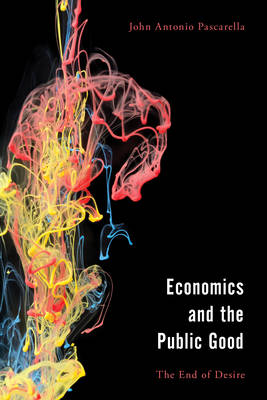
Economics and the Public Good
The End of Desire in Aristotle's Politics and Ethics
John Antonio Pascarella
€ 228,95
+ 457 punten
Uitvoering
Eenvoudig bestellen
Veilig betalen


Gratis thuislevering vanaf € 30 (via bpost)
Gratis levering in je Standaard Boekhandel
Omschrijving
What is the nature of economics? How does economics relate to politics? Readers searching for the Ancient Greeks' answers to these questions often turn to Aristotle, focusing on small portions of the Politics and Nicomachean Ethics that relate to money-making, exchange, and household management. While this approach yields some understanding of economics and politics, it fails to account for how Aristotle's theoretical inquiry into these practical matters reflects the character of his political philosophy. According to Aristotle, the Ethics and Politics together form "the philosophy concerning the human things." All human things begin with choice, an intellectual desire and need for the good. Aristotle's care for this desire is the heart of his political philosophy. Through a close, literal, and careful reading of Aristotle's political philosophy, readers discover the natural boundaries to economic and political life. Simultaneously theoretical and practical, Aristotle's political philosophy offers readers a perspective of economics and politics that provides them the experience of the knowledge they need to desire and live within the limit of the good.
Specificaties
Betrokkenen
- Auteur(s):
- Uitgeverij:
Inhoud
- Aantal bladzijden:
- 402
- Taal:
- Engels
- Reeks:
Eigenschappen
- Productcode (EAN):
- 9781786608437
- Verschijningsdatum:
- 7/03/2022
- Uitvoering:
- Hardcover
- Formaat:
- Genaaid
- Afmetingen:
- 152 mm x 229 mm
- Gewicht:
- 762 g


Alleen bij Standaard Boekhandel
+ 457 punten op je klantenkaart van Standaard Boekhandel
CADEAU

AANGERADEN


Beoordelingen
We publiceren alleen reviews die voldoen aan de voorwaarden voor reviews. Bekijk onze voorwaarden voor reviews.