


- Afhalen na 1 uur in een winkel met voorraad
- Gratis thuislevering in België vanaf € 30
- Ruim aanbod met 7 miljoen producten
- Afhalen na 1 uur in een winkel met voorraad
- Gratis thuislevering in België vanaf € 30
- Ruim aanbod met 7 miljoen producten





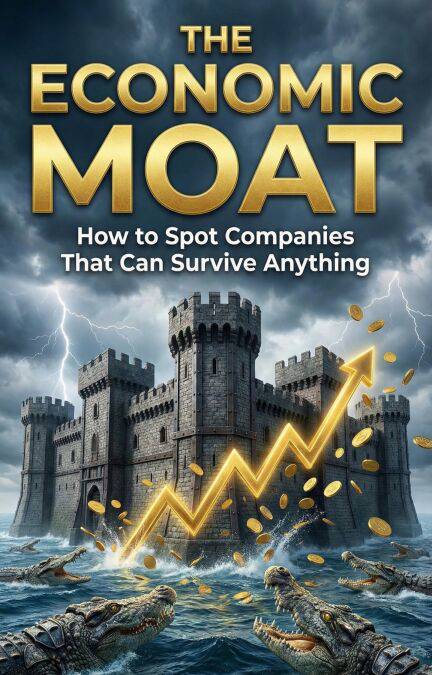
Economic Moat E-BOOK
How to Spot Companies That Can Survive Anything
Robert Sterling
E-book | Engels
€ 29,99
+ 29 punten
Omschrijving
In the brutal warfare of capitalism, success attracts competition. If a company makes high profits, rivals will come to steal them—unless the company has a defense. Warren Buffett calls this the "Economic Moat," and it is the single most important concept for long-term investors.
This book is a deep dive into the art of identifying durable competitive advantages that protect a business from attack. It moves beyond simple financial ratios to analyze the qualitative structural features that create a true moat: network effects, switching costs, intangible assets (like brands or patents), and cost advantages.
"The Economic Moat" teaches investors how to distinguish between a fleeting trend and a fortress, explaining why some tech companies are fragile despite high growth, while boring industrial firms might be unassailable. Whether you are a value investor or just trying to pick stocks that won't go to zero, this book provides the mental models to assess the longevity of a business's profits. Learn to invest in castles, not just campsites.
This book is a deep dive into the art of identifying durable competitive advantages that protect a business from attack. It moves beyond simple financial ratios to analyze the qualitative structural features that create a true moat: network effects, switching costs, intangible assets (like brands or patents), and cost advantages.
"The Economic Moat" teaches investors how to distinguish between a fleeting trend and a fortress, explaining why some tech companies are fragile despite high growth, while boring industrial firms might be unassailable. Whether you are a value investor or just trying to pick stocks that won't go to zero, this book provides the mental models to assess the longevity of a business's profits. Learn to invest in castles, not just campsites.
Specificaties
Betrokkenen
- Auteur(s):
- Uitgeverij:
Inhoud
- Aantal bladzijden:
- 138
- Taal:
- Engels
Eigenschappen
- Productcode (EAN):
- 9783565255122
- Verschijningsdatum:
- 16/02/2026
- Uitvoering:
- E-book
- Formaat:
- ePub


Alleen bij Standaard Boekhandel
+ 29 punten op je klantenkaart van Standaard Boekhandel
AANGERADEN


Beoordelingen
We publiceren alleen reviews die voldoen aan de voorwaarden voor reviews. Bekijk onze voorwaarden voor reviews.