


- Afhalen na 1 uur in een winkel met voorraad
- Gratis thuislevering in België vanaf € 30
- Ruim aanbod met 7 miljoen producten
- Afhalen na 1 uur in een winkel met voorraad
- Gratis thuislevering in België vanaf € 30
- Ruim aanbod met 7 miljoen producten





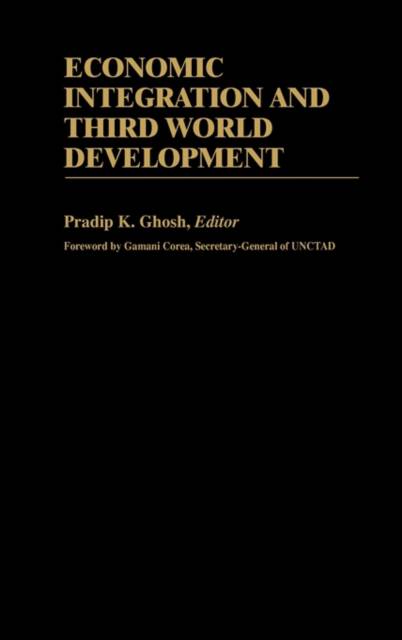
Economic Integration and Third World Development
Pradip K Ghosh
€ 152,95
+ 305 punten
Omschrijving
Although not previously well documented, many instances of regional economic integration occur among Third World countries. Joint industrial planning, monetary integration, trade expansion, and investment planning are among the many facets of economic integration discussed in this volume. Integration schemes most likely to contribute to development are difficult to achieve because ultimate success depends on the willingness and ability of the nations involved to negotiate conditions that contribute to the development of the region as a whole and that assure an acceptable distribution of benefits within the region. The variety of theories and practical examples of regional integration plans detailed here document the complexity of integrated plannning and the difficulties in achieving the desired results. This work defines and explores the many factors necessary for understanding the difficulties involved in economic integration and cooperation among developing countries.
Specificaties
Betrokkenen
- Auteur(s):
- Uitgeverij:
Inhoud
- Aantal bladzijden:
- 397
- Taal:
- Engels
- Reeks:
Eigenschappen
- Productcode (EAN):
- 9780313241482
- Verschijningsdatum:
- 24/10/1984
- Uitvoering:
- Hardcover
- Formaat:
- Genaaid
- Afmetingen:
- 156 mm x 234 mm
- Gewicht:
- 766 g


Alleen bij Standaard Boekhandel
+ 305 punten op je klantenkaart van Standaard Boekhandel
Cadeau

AANGERADEN


Beoordelingen
We publiceren alleen reviews die voldoen aan de voorwaarden voor reviews. Bekijk onze voorwaarden voor reviews.