


- Afhalen na 1 uur in een winkel met voorraad
- Gratis thuislevering in België vanaf € 30
- Ruim aanbod met 7 miljoen producten
- Afhalen na 1 uur in een winkel met voorraad
- Gratis thuislevering in België vanaf € 30
- Ruim aanbod met 7 miljoen producten





€ 50,95
+ 101 punten
Omschrijving
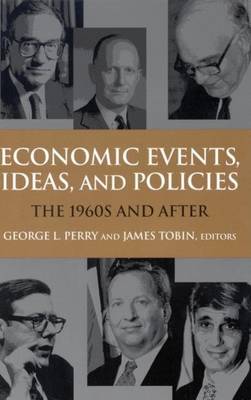
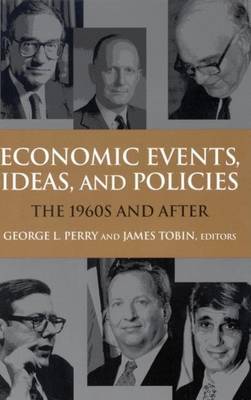
In November 1999 the Brookings Institution and Yale University jointly sponsored a conference to reconsider the national economic policies of the 1960s and the theories that influenced them, in light of subsequent events in the economy and of developments in economic theory and research. This volume contains the papers and comments of the participants. The 1960s were years of difficult challenges to U.S. policymakers and of important initiatives to meet them. The economic doldrums at the start of the decade gave way to strong expansion and prosperity, which, however, ended with excessive inflation. The decade that followed was the most turbulent of the postwar period, with global shock waves from oil prices, two deep recessions, and historic changes in the international financial system. Both policymaking and economic thinking have evolved since the 1960s. The papers gathered in this volume examine the economics of the 1960s as the starting point in this evolution.Several of the contributors to this volume were involved in policymaking in the 1960s. Their papers provide firsthand insights to the analyses and priorities of that period and a prelude to examination of subsequent ideas and policies. Younger scholars represented in the volume bring different perspectives. All participants have been active in economic research since the 1960s; collectively they represent a wide range of expertise in economic analysis.This volume is dedicated to the memory of Arthur Okun, a major figure in economics and economic policy throughout the Kennedy-Johnson era, at Yale, at the Council on Economic Advisers, and at Brookings. He served as chairman of the council and chief economic adviser to President Johnson. At Brookings, he and George Perry founded the Brookings Panel on Economic Activity and its journal, Brookings Papers on Economic Activity.
Specificaties
Betrokkenen
- Auteur(s):
- Uitgeverij:
Inhoud
- Aantal bladzijden:
- 365
- Taal:
- Engels
Eigenschappen
- Productcode (EAN):
- 9780815770114
- Verschijningsdatum:
- 1/07/2000
- Uitvoering:
- Paperback
- Formaat:
- Trade paperback (VS)
- Afmetingen:
- 153 mm x 229 mm
- Gewicht:
- 498 g


Alleen bij Standaard Boekhandel
+ 101 punten op je klantenkaart van Standaard Boekhandel
Cadeau

AANGERADEN


Beoordelingen
We publiceren alleen reviews die voldoen aan de voorwaarden voor reviews. Bekijk onze voorwaarden voor reviews.