



Bedankt voor het vertrouwen het afgelopen jaar! Om jou te bedanken bieden we GRATIS verzending (in België) aan op alles gedurende de hele maand januari.
- Afhalen na 1 uur in een winkel met voorraad
- In januari gratis thuislevering in België
- Ruim aanbod met 7 miljoen producten
Bedankt voor het vertrouwen het afgelopen jaar! Om jou te bedanken bieden we GRATIS verzending (in België) aan op alles gedurende de hele maand januari.
- Afhalen na 1 uur in een winkel met voorraad
- In januari gratis thuislevering in België
- Ruim aanbod met 7 miljoen producten





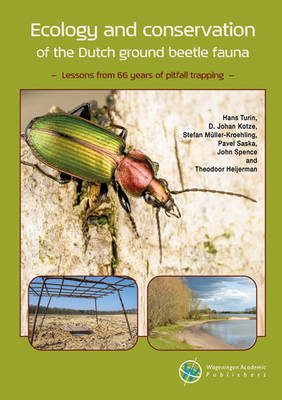
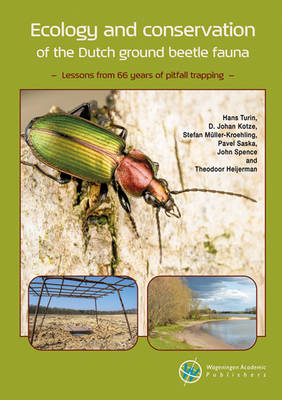
Ecology and Conservation of the Dutch Ground Beetle Fauna
Lessons from 66 Years of Pitfall Trapping
Hans Turin, D Johan Kotze, Stefan Müller-Kroehling, Pavel Saska, John Spence, Theodoor Heijerman
Hardcover | Engels
€ 161,87
+ 323 punten
Omschrijving
Over the past decades, large amounts of data about carabids have been collected in the Netherlands, initially for the purpose of creating distribution maps for the country. In addition to information from collections and faunistic publications, a significant amount of data came from ecological studies using pitfall traps. Because of the rich tradition of carabidological research in the Netherlands, an exceptionally large database of these pitfall data is available. The database is a mix of approximately 1,500 short-term samples and circa 4,400 so-called 'year-samples', for which pitfalls were functional during the whole activity period of ground beetles in spring and autumn. These year-samples came from 2,850 sites, covering the period of 1953-2018, and represent all habitats on the Dutch landscape. These data offer an unusual view of the presence and activity of this common insect family. The data gathered from pitfall trapping is summarised and provides a fresh integrated perspective about the Dutch ground beetle fauna. The characteristic species composition of 17 habitat groups is described in detail. Over 320 species present in the database have been classified into six main groups, according to their patterns of habitat use. Both the classification of habitats and associated species have been tested and used in various analyses in the book. Two chapters give special attention to changes in the Dutch fauna over the past 66 years by means of extensive trend analysis and relate this understanding to nature conservation. The book provides an extension and update for Turin's (2000) atlas. The Dutch carabid fauna is discussed considering relevant literature but uses predominantly European studies to put the faunal patterns in broader context. This book presents the story of Dutch ground beetles and illustrates the contribution of pitfall trapping to our understanding of the ecology of this fascinating and unusually well-studied group of beetles.
Specificaties
Betrokkenen
- Auteur(s):
- Uitgeverij:
Inhoud
- Aantal bladzijden:
- 452
- Taal:
- Engels
Eigenschappen
- Productcode (EAN):
- 9789086863693
- Verschijningsdatum:
- 1/01/2022
- Uitvoering:
- Hardcover
- Formaat:
- Genaaid
- Afmetingen:
- 217 mm x 303 mm
- Gewicht:
- 1520 g


Alleen bij Standaard Boekhandel
+ 323 punten op je klantenkaart van Standaard Boekhandel
SOLDEN


Beoordelingen
We publiceren alleen reviews die voldoen aan de voorwaarden voor reviews. Bekijk onze voorwaarden voor reviews.