


- Afhalen na 1 uur in een winkel met voorraad
- Gratis thuislevering in België vanaf € 30
- Ruim aanbod met 7 miljoen producten
- Afhalen na 1 uur in een winkel met voorraad
- Gratis thuislevering in België vanaf € 30
- Ruim aanbod met 7 miljoen producten





€ 129,95
+ 259 punten
Eenvoudig bestellen
Veilig betalen


Gratis thuislevering vanaf € 30 (via bpost)
Gratis levering in je Standaard Boekhandel
Omschrijving
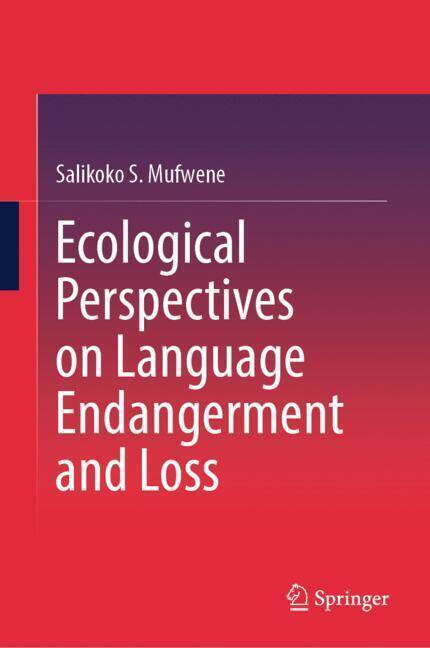
This book discusses various issues arising from the dominant discourse on language endangerment and loss in linguistics. Are the terms mother tongue, heritage language, and ancestral language interchangeable? Does a child receiving formal education in a mother tongue different from that or those of his/her parents lose a culture that he/she "should" otherwise inherit? Is a language separate from the culture in which its speakers evolve and it is being practiced? Thus, is a population shifting to a dominant language necessarily abandoning its traditional culture ipso facto or is it also reshaping it along with that associated with the new language into a new, mixed culture? Are cultures intended to be static? Must speakers of particular languages be wedded to them in the same way they are to their genes? What can we learn about language shift, language vitality, and human adaptiveness from the protracted history of mankind? These and a host of other issues regarding the intertwining of colonization, globalization, language, and culture are discussed in this book, inviting linguists and other interested scholars to be critical participants in the current debate.
Specificaties
Betrokkenen
- Auteur(s):
- Uitgeverij:
Inhoud
- Aantal bladzijden:
- 252
- Taal:
- Engels
Eigenschappen
- Productcode (EAN):
- 9783031910333
- Verschijningsdatum:
- 31/05/2025
- Uitvoering:
- Hardcover
- Formaat:
- Genaaid
- Afmetingen:
- 165 mm x 237 mm
- Gewicht:
- 557 g


Alleen bij Standaard Boekhandel
+ 259 punten op je klantenkaart van Standaard Boekhandel
CADEAU

AANGERADEN


Beoordelingen
We publiceren alleen reviews die voldoen aan de voorwaarden voor reviews. Bekijk onze voorwaarden voor reviews.