


- Afhalen na 1 uur in een winkel met voorraad
- Gratis thuislevering in België vanaf € 30
- Ruim aanbod met 7 miljoen producten
- Afhalen na 1 uur in een winkel met voorraad
- Gratis thuislevering in België vanaf € 30
- Ruim aanbod met 7 miljoen producten




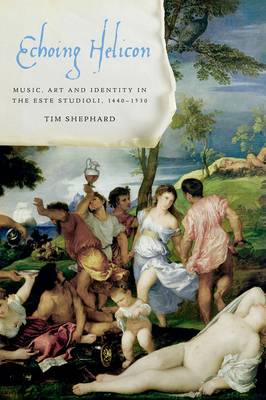
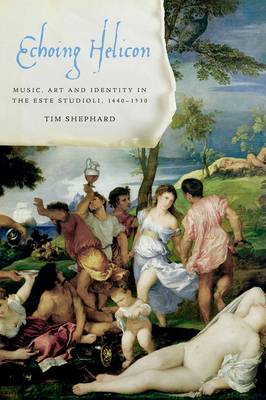
Echoing Helicon
Music, Art and Identity in the Este Studioli, 1440-1530
Tim Shephard
Hardcover | Engels
€ 138,95
+ 277 punten
Omschrijving
The private studioli of Italian rulers are among the most revealing interior spaces of the Renaissance. In them, ideals of sober recreation met with leisured reality in the construction of a private princely identity performed before the eyes of a select public. The decorative schemes installed in such rooms were carefully designed to prompt, facilitate and validate the performances through which that identity was constituted. Echoing Helicon reconstructs, through the (re)interpretation of painted and intarsia decoration, the role played by music, musicians and musical symbolism in those performances. Drawing examples from the Este dynasty - despotic rulers of Ferrara throughout the Renaissance who employed such musicians as Pietrobono, Tromboncino and Willaert, and such artists as Tura, Mantegna and Titian - author Tim Shephard reaches new conclusions about the integration of musical and visual arts within the courtly environment of renaissance Italy, and about the cultural work required of music and of images by those who paid for them.
Relying on Renaissance-era source material from a wide range of disciplines as well as new approaches derived from critical and cultural theory, Shephard provides a fresh look at the music of this ninety-year period of the Italian Renaissance. While much has been written about the studiolo by historians of art and architecture, it has only recently become a growing area of interest among musicologists. As the first English language monograph devoted to the music of the studiolo, Echoing Helicon is a significant contribution to this developing area of research and essential reading for both musicologists and art historians specializing in the Italian Renaissance.
Relying on Renaissance-era source material from a wide range of disciplines as well as new approaches derived from critical and cultural theory, Shephard provides a fresh look at the music of this ninety-year period of the Italian Renaissance. While much has been written about the studiolo by historians of art and architecture, it has only recently become a growing area of interest among musicologists. As the first English language monograph devoted to the music of the studiolo, Echoing Helicon is a significant contribution to this developing area of research and essential reading for both musicologists and art historians specializing in the Italian Renaissance.
Specificaties
Betrokkenen
- Auteur(s):
- Uitgeverij:
Inhoud
- Aantal bladzijden:
- 184
- Taal:
- Engels
Eigenschappen
- Productcode (EAN):
- 9780199936137
- Verschijningsdatum:
- 15/09/2014
- Uitvoering:
- Hardcover
- Formaat:
- Ongenaaid / garenloos gebonden
- Afmetingen:
- 178 mm x 246 mm
- Gewicht:
- 385 g


Alleen bij Standaard Boekhandel
+ 277 punten op je klantenkaart van Standaard Boekhandel
AANGERADEN


Beoordelingen
We publiceren alleen reviews die voldoen aan de voorwaarden voor reviews. Bekijk onze voorwaarden voor reviews.