


- Afhalen na 1 uur in een winkel met voorraad
- Gratis thuislevering in België vanaf € 30
- Ruim aanbod met 7 miljoen producten
- Afhalen na 1 uur in een winkel met voorraad
- Gratis thuislevering in België vanaf € 30
- Ruim aanbod met 7 miljoen producten





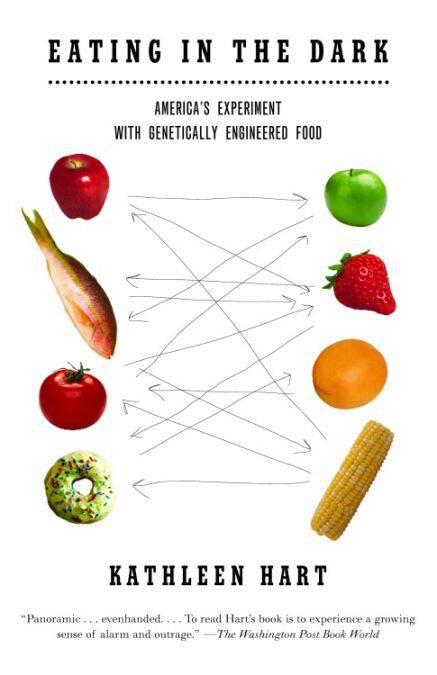
Eating in the Dark E-BOOK
America's Experiment with Genetically Engineered Food
Kathleen Hart
E-book | Engels
€ 17,27
+ 17 punten
Omschrijving
Most Americans eat genetically modified food on a daily basis, but few of us are aware we’re eating something that has been altered. Meanwhile, consumers abroad refuse to buy our engineered crops; their groceries are labeled so that everyone knows if the contents have been modified. What’s going on here? Why does the U.S. government treat engineered foods so differently from the rest of the world?
Eating in the Dark tells the story of how these new foods quietly entered America’s food supply. Kathleen Hart explores biotechnology’s real potential to enhance nutrition and cut farmers’ expenses. She also reveals the process by which American government agencies decided not to label genetically modified food, and not to require biotech companies to perform even basic safety tests on their products. Combining a balanced perspective with a sense of urgency, Eating in the Dark is a captivating and important story account of the science and politics propelling the genetic alteration of our food.
Eating in the Dark tells the story of how these new foods quietly entered America’s food supply. Kathleen Hart explores biotechnology’s real potential to enhance nutrition and cut farmers’ expenses. She also reveals the process by which American government agencies decided not to label genetically modified food, and not to require biotech companies to perform even basic safety tests on their products. Combining a balanced perspective with a sense of urgency, Eating in the Dark is a captivating and important story account of the science and politics propelling the genetic alteration of our food.
Specificaties
Betrokkenen
- Auteur(s):
- Uitgeverij:
Inhoud
- Aantal bladzijden:
- 352
- Taal:
- Engels
Eigenschappen
- Productcode (EAN):
- 9780307425690
- Verschijningsdatum:
- 17/12/2007
- Uitvoering:
- E-book
- Beveiligd met:
- Adobe DRM
- Formaat:
- ePub


Alleen bij Standaard Boekhandel
+ 17 punten op je klantenkaart van Standaard Boekhandel
AANGERADEN


Beoordelingen
We publiceren alleen reviews die voldoen aan de voorwaarden voor reviews. Bekijk onze voorwaarden voor reviews.