


- Afhalen na 1 uur in een winkel met voorraad
- Gratis thuislevering in België vanaf € 30
- Ruim aanbod met 7 miljoen producten
- Afhalen na 1 uur in een winkel met voorraad
- Gratis thuislevering in België vanaf € 30
- Ruim aanbod met 7 miljoen producten





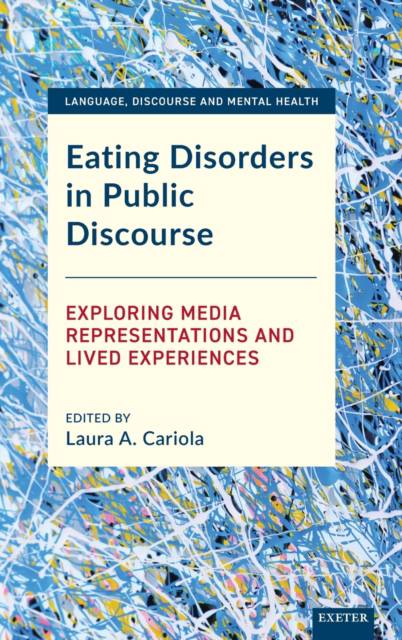
Eating Disorders in Public Discourse
Exploring Media Representations and Lived Experiences
€ 170,95
+ 341 punten
Omschrijving
Eating disorders remain little understood by the public, and sensationalist stories in the media have done little to dispel simplistic and reductionist perspectives. This edited volume uses a range of language-centred approaches to provide much needed critical in-depth analysis and interdisciplinary synthesis.
The book brings together researchers from a variety of disciplinary backgrounds - including communication and information studies, journalism, linguistics, mental health, nursing, psychology and public health - in a collective endeavour to explore the complex relationship between eating disorders, public discourse and lived experiences. Topics tackled include the use of stigmatising narrative frames, stereotypes and metaphors; identity construction in online spaces; the ways in which individuals affected by eating disorders interpret media representations; and how parents write about their experiences of caring for children with eating disorders. The volume synthesises evidence from a range of data types, including UK and international newspapers, social media, online communities, blogs and forums, apps and in-depth interviews, and reflects a variety of cultural perspectives, including those held in the United States, the UK, Spain and Turkey. It will be of interest to academics, practitioners, students, mental health advocates, and anyone interested in how we make sense of eating disorders.
Specificaties
Betrokkenen
- Uitgeverij:
Inhoud
- Aantal bladzijden:
- 362
- Taal:
- Engels
- Reeks:
Eigenschappen
- Productcode (EAN):
- 9781804130094
- Verschijningsdatum:
- 24/01/2023
- Uitvoering:
- Hardcover
- Formaat:
- Genaaid
- Afmetingen:
- 156 mm x 234 mm
- Gewicht:
- 734 g

Alleen bij Standaard Boekhandel
+ 341 punten op je klantenkaart van Standaard Boekhandel
Cadeau

AANGERADEN


Beoordelingen
We publiceren alleen reviews die voldoen aan de voorwaarden voor reviews. Bekijk onze voorwaarden voor reviews.