


- Afhalen na 1 uur in een winkel met voorraad
- Gratis thuislevering in België vanaf € 30
- Ruim aanbod met 7 miljoen producten
- Afhalen na 1 uur in een winkel met voorraad
- Gratis thuislevering in België vanaf € 30
- Ruim aanbod met 7 miljoen producten





€ 44,45
+ 88 punten
Eenvoudig bestellen
Veilig betalen


Gratis thuislevering vanaf € 30 (via bpost)
Gratis levering in je Standaard Boekhandel
Omschrijving
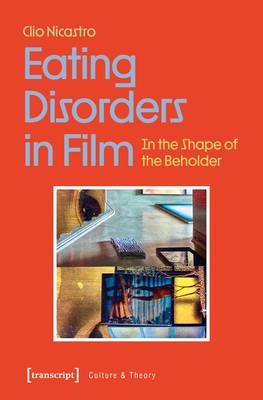
How can we look at visual representations of eating disorders beyond the pathological frame? What do they tell us about obsessions and contradictions of a society that strongly promotes self-optimization and the introjection of control? Clio Nicastro focusses on the intricate connection between anorexia, bulimia and other forms of food consumption deemed »disordered« and their visual representations in film. Eating disorders are inherently linked to images through fantasies and bodily symptoms which are considered to be triggered by mass media through shame and identification. Despite ongoing debates on the negative influence of media on the proliferation of eating disorders, little research has been conducted on the ways films engage with this topic.
Specificaties
Betrokkenen
- Auteur(s):
- Uitgeverij:
Inhoud
- Aantal bladzijden:
- 300
- Taal:
- Engels
- Reeks:
Eigenschappen
- Productcode (EAN):
- 9783837665635
- Verschijningsdatum:
- 27/12/2026
- Uitvoering:
- Paperback
- Formaat:
- Trade paperback (VS)
- Afmetingen:
- 148 mm x 225 mm
- Gewicht:
- 467 g


Alleen bij Standaard Boekhandel
+ 88 punten op je klantenkaart van Standaard Boekhandel
CADEAU

AANGERADEN


Beoordelingen
We publiceren alleen reviews die voldoen aan de voorwaarden voor reviews. Bekijk onze voorwaarden voor reviews.