



Bedankt voor het vertrouwen het afgelopen jaar! Om jou te bedanken bieden we GRATIS verzending (in België) aan op alles gedurende de hele maand januari.
- Afhalen na 1 uur in een winkel met voorraad
- In januari gratis thuislevering in België
- Ruim aanbod met 7 miljoen producten
Bedankt voor het vertrouwen het afgelopen jaar! Om jou te bedanken bieden we GRATIS verzending (in België) aan op alles gedurende de hele maand januari.
- Afhalen na 1 uur in een winkel met voorraad
- In januari gratis thuislevering in België
- Ruim aanbod met 7 miljoen producten





€ 132,45
+ 264 punten
Omschrijving
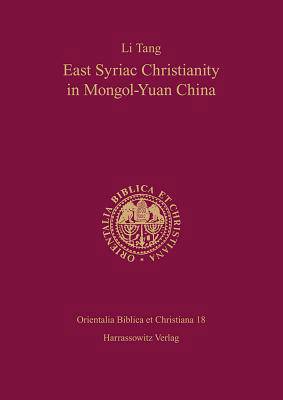
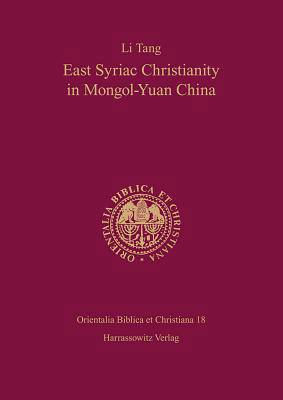
East Syriac Christianity in Mongol-Yuan China (12th-14 Centuries) offers a comprehensive history of East Syriac (known as "Nestorian") Christianity in China under the Mongol rule. Christianity in its East Syrian form first reached China in A.D. 635 through the missionary efforts of the Church of East in Persia. The religion flourished in China for 210 years until A.D. 845 when a persecution towards all foreign religions was carried out under the reign of Emperor Wuzong (r. 840-846). The comeback of Christianity to China was made possible after the 13th century Mongol conquest of Eurasia and China. East Syriac Christianity spread again widely in Mongol-Yuan China, mainly as a result of the relocation of Turkic-speaking Christians from Central Asia and the Mongolian Steppe such as the Kerait, Ongut, Uighurs, Naimans etc, who had converted to East Syriac Christianity by the 12th century. Li Tang has studied and analysed Chinese Dynastic histories and local chronicles, medieval Syriac and Persian historical writings, as well as European medieval travelogues. A special emphasis is placed on biographies contained in Chinese historical records. An English translation to several newly unearthed tombstone inscriptions in Syro-Turkic or Chinese is rendered. Through studying these literary sources and archaeological finds, Tang is able to reconstruct and elaborate on the history of the spread of East Syriac Christianity in Mongol-Yuan China (12th-14th centuries) from various perspectives such as the origin, migration and missionary activities of the East Syrian Christians as well as their political, economic and social status in medieval China.
Specificaties
Betrokkenen
- Auteur(s):
- Uitgeverij:
Inhoud
- Aantal bladzijden:
- 169
- Taal:
- Engels
Eigenschappen
- Productcode (EAN):
- 9783447065801
- Verschijningsdatum:
- 1/11/2011
- Uitvoering:
- Hardcover
- Formaat:
- Genaaid
- Afmetingen:
- 178 mm x 244 mm
- Gewicht:
- 498 g


Alleen bij Standaard Boekhandel
+ 264 punten op je klantenkaart van Standaard Boekhandel
SOLDEN


Beoordelingen
We publiceren alleen reviews die voldoen aan de voorwaarden voor reviews. Bekijk onze voorwaarden voor reviews.