


- Afhalen na 1 uur in een winkel met voorraad
- Gratis thuislevering in België vanaf € 30
- Ruim aanbod met 7 miljoen producten
- Afhalen na 1 uur in een winkel met voorraad
- Gratis thuislevering in België vanaf € 30
- Ruim aanbod met 7 miljoen producten





€ 34,95
+ 69 punten
Uitvoering
Omschrijving
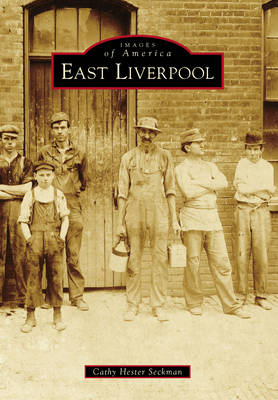
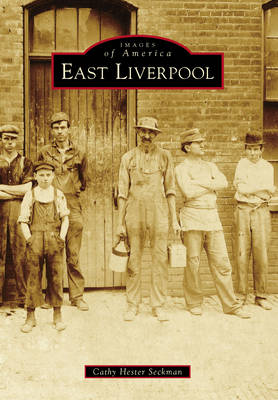
Once known as the Pottery Capital of the World, East Liverpool boasted some 300 potteries in its heyday, along with many ancillary industries. When British immigrant Thomas Bennett found promising clay deposits along the riverfront, he opened the city's first one-kiln pottery in 1839. From that humble beginning, the industry burgeoned, eventually spreading up the hills and across the river. Besides sturdy kitchenware, hotel china, toilet ware, and ceramic doorknobs and insulators, the potteries produced such elegant designs as Lotus Ware, Lu-Ray, and Fiesta Ware. The men, women, and children who worked in the potteries also built a town with a busy and complex social life. Churches, schools, cultural and service organizations, theaters, and restaurants filled the downtown area. East Liverpool struggled after the collapse of the pottery industry in the second half of the 20th century but has persevered into the 21st century with hope for the future.
Specificaties
Betrokkenen
- Auteur(s):
- Uitgeverij:
Inhoud
- Aantal bladzijden:
- 128
- Taal:
- Engels
- Reeks:
Eigenschappen
- Productcode (EAN):
- 9781467113748
- Verschijningsdatum:
- 25/05/2015
- Uitvoering:
- Paperback
- Formaat:
- Trade paperback (VS)
- Afmetingen:
- 163 mm x 233 mm
- Gewicht:
- 417 g


Alleen bij Standaard Boekhandel
+ 69 punten op je klantenkaart van Standaard Boekhandel
AANGERADEN


Beoordelingen
We publiceren alleen reviews die voldoen aan de voorwaarden voor reviews. Bekijk onze voorwaarden voor reviews.