


- Afhalen na 1 uur in een winkel met voorraad
- Gratis thuislevering in België vanaf € 30
- Ruim aanbod met 7 miljoen producten
- Afhalen na 1 uur in een winkel met voorraad
- Gratis thuislevering in België vanaf € 30
- Ruim aanbod met 7 miljoen producten





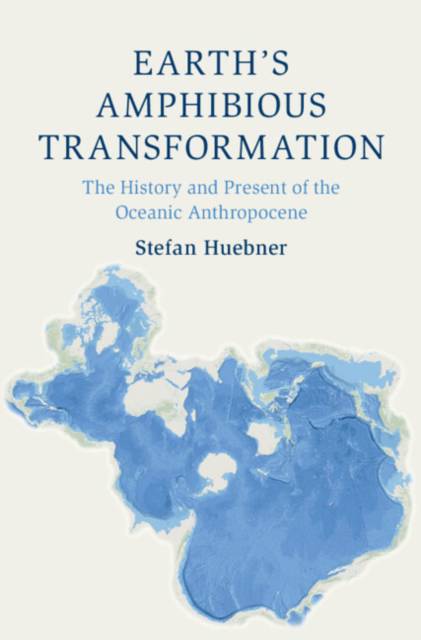
Earth's Amphibious Transformation
The History and Present of the Oceanic Anthropocene
Stefan Huebner
€ 168,95
+ 337 punten
Uitvoering
Omschrijving
In the first history of the oceanic Anthropocene, Stefan Huebner explores the twentieth-century extension of human habitats into oceanic spaces. He shows how the effects of this amphibious transformation have followed a very different trajectory from human-driven change on land, in terms of both socioeconomic development and environmental degradation. The extension of the human habitat through artificial islands such as seabed-fixed and floating structures has granted vertical access to Earth's different spatial layers, from the fossil fuels beneath the seabed to outer space. Huebner asks why this transformation occurred; how it has been shaped by political, economic, and environmental factors; and how it has altered marine environments. A deeper understanding of Earth's amphibious transformation compels us to reconsider the history and future of climate change, sea level rise, energy transitions, human-marine species interactions, globalization, and even urbanization, including floating cities. This title is also available as open access on Cambridge Core.
Specificaties
Betrokkenen
- Auteur(s):
- Uitgeverij:
Inhoud
- Aantal bladzijden:
- 494
- Taal:
- Engels
- Reeks:
Eigenschappen
- Productcode (EAN):
- 9781009734783
- Verschijningsdatum:
- 30/06/2026
- Uitvoering:
- Hardcover
- Formaat:
- Genaaid



Alleen bij Standaard Boekhandel
+ 337 punten op je klantenkaart van Standaard Boekhandel
AANGERADEN


Beoordelingen
We publiceren alleen reviews die voldoen aan de voorwaarden voor reviews. Bekijk onze voorwaarden voor reviews.