


- Afhalen na 1 uur in een winkel met voorraad
- Gratis thuislevering in België vanaf € 30
- Ruim aanbod met 7 miljoen producten
- Afhalen na 1 uur in een winkel met voorraad
- Gratis thuislevering in België vanaf € 30
- Ruim aanbod met 7 miljoen producten




€ 16,18
+ 16 punten
Omschrijving
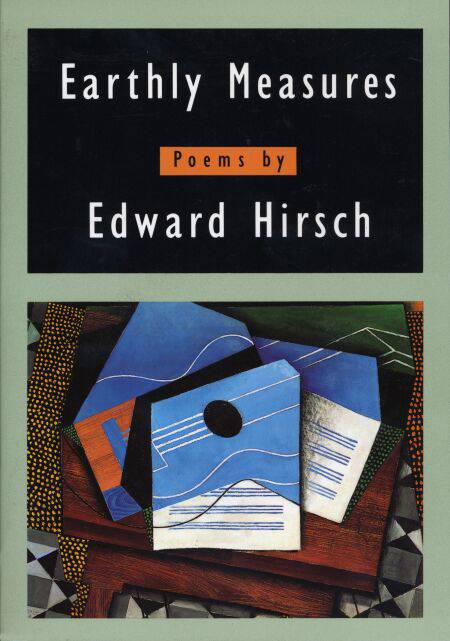
Edward Hirsch's strong, arresting poems have been praised from the start of his career. Of his second book, Wild Gratitude, Robert Penn Warren said, "I am convinced that the best poems here are unsurpassed in our time". This, his fourth collection, contains his finest work. From gritty, apocalyptic views of the urban Midwest to brilliantly empathetic portrayals of Simone Weil and Hugo von Hofmannsthal, the range of poems is at once wide and subtle. "In the Midwest" speaks of the nightmare of abandon and decay; "From a Train (Hofmannsthal in Greece)" is the poet's compelling view of a timeless landscape; "The Italian Muse" is a meditation on Henry James in Rome; "Luminist Paintings at the National Gallery" beautifully evokes the sense of nineteenth-century American countryside. There is an argument about transcendence in these poems, an evocation of American spaces and European landscapes, a quest for reconciliation to the earth as it is. Hirsch's work, as Anthony Hecht has said, "has not only the courage of its strong emotions, but the language and form that makes and keeps them clear and true".
Specificaties
Betrokkenen
- Auteur(s):
- Uitgeverij:
Inhoud
- Aantal bladzijden:
- 96
- Taal:
- Engels
Eigenschappen
- Productcode (EAN):
- 9780307760616
- Verschijningsdatum:
- 8/10/2013
- Uitvoering:
- E-book
- Beveiligd met:
- Adobe DRM
- Formaat:
- ePub


Alleen bij Standaard Boekhandel
+ 16 punten op je klantenkaart van Standaard Boekhandel
Cadeau

AANGERADEN


Beoordelingen
We publiceren alleen reviews die voldoen aan de voorwaarden voor reviews. Bekijk onze voorwaarden voor reviews.