



Bedankt voor het vertrouwen het afgelopen jaar! Om jou te bedanken bieden we GRATIS verzending (in België) aan op alles gedurende de hele maand januari.
- Afhalen na 1 uur in een winkel met voorraad
- In januari gratis thuislevering in België
- Ruim aanbod met 7 miljoen producten
Bedankt voor het vertrouwen het afgelopen jaar! Om jou te bedanken bieden we GRATIS verzending (in België) aan op alles gedurende de hele maand januari.
- Afhalen na 1 uur in een winkel met voorraad
- In januari gratis thuislevering in België
- Ruim aanbod met 7 miljoen producten





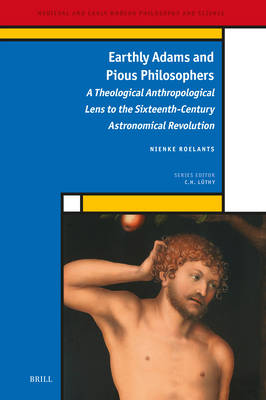
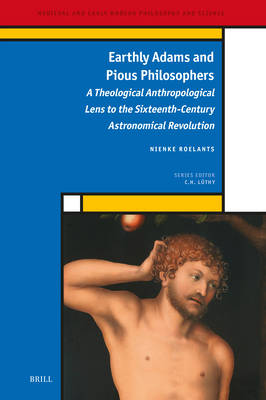
Earthly Adams and Pious Philosophers
A Theological Anthropological Lens to the Sixteenth-Century Astronomical Revolution
Nienke Roelants
€ 217,95
+ 435 punten
Omschrijving
Focusing on the works of a select group of Lutheran astronomers in the Wittenberg sphere of influence, Earthly Adams and Pious Philosophers recognizes in their response to the sixteenth-century astronomical revolution a theological anthropological pattern. In challenging traditional cosmology and its Scholastic advocates, Georg Joachim Rheticus, Tycho Brahe, and Caspar Peucer invoked intellectual piety and a pessimist epistemology that were tailored to Luther's understanding of man after the Fall. The fruitful ignorance that they accepted and advocated may be seen as part of a larger view of the self and the world as well as of the figure of the astronomer, the academic scholar and the university, which was of an essentially theological nature.
Specificaties
Betrokkenen
- Auteur(s):
- Uitgeverij:
Inhoud
- Aantal bladzijden:
- 228
- Taal:
- Engels
- Reeks:
- Reeksnummer:
- nr. 43
Eigenschappen
- Productcode (EAN):
- 9789004349018
- Verschijningsdatum:
- 19/12/2024
- Uitvoering:
- Hardcover
- Formaat:
- Genaaid
- Afmetingen:
- 163 mm x 241 mm
- Gewicht:
- 462 g


Alleen bij Standaard Boekhandel
+ 435 punten op je klantenkaart van Standaard Boekhandel
SOLDEN


Beoordelingen
We publiceren alleen reviews die voldoen aan de voorwaarden voor reviews. Bekijk onze voorwaarden voor reviews.