


- Afhalen na 1 uur in een winkel met voorraad
- Gratis thuislevering in België vanaf € 30
- Ruim aanbod met 7 miljoen producten
- Afhalen na 1 uur in een winkel met voorraad
- Gratis thuislevering in België vanaf € 30
- Ruim aanbod met 7 miljoen producten





€ 147,95
+ 295 punten
Omschrijving
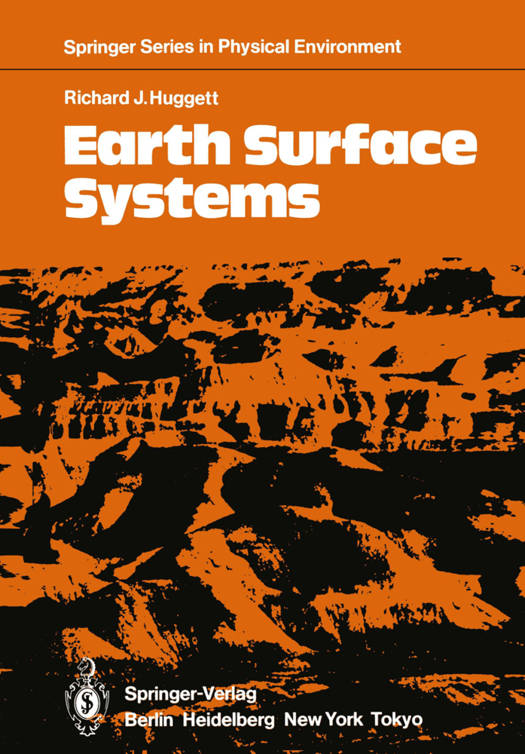
Discussions of "systems" and the "systems approach" tend to fall into one of two categories: the panegyrical and the disparaging. Scholars who praise the systems approach do so in the belief that it is a powerful and precise method of study. Scholars who try to shoot it down fail to see any advantage in it; indeed, many deem it periIicious. Van Dyne (1980, p. 889) records a facetious comment he once heard, the gist of which ran: "In instances where there are from one to two variables in a study you have a science, where there are from four to seven variables you have an art, and where there are more than seven variables you have a system". This tilt at the systems approach is mild indeed compared with the com- ments of an anonymous reviewer of a paper by myself concerned with the systems approach as applied to the soil. The reviewer stated bluntly that he or she had no time for an approach which falsifies and belittles work that has been done and is of no use for future work. My summary of the paper opened with the seemingly innocuous sentence "The notion of the soil as a system is placed on a . formal footing by couching it in terms of dynamical systems theory".
Specificaties
Betrokkenen
- Auteur(s):
- Uitgeverij:
Inhoud
- Aantal bladzijden:
- 270
- Taal:
- Engels
- Reeks:
- Reeksnummer:
- nr. 1
Eigenschappen
- Productcode (EAN):
- 9783642824982
- Verschijningsdatum:
- 15/12/2011
- Uitvoering:
- Paperback
- Formaat:
- Trade paperback (VS)
- Afmetingen:
- 170 mm x 244 mm
- Gewicht:
- 462 g


Alleen bij Standaard Boekhandel
+ 295 punten op je klantenkaart van Standaard Boekhandel
Wedstrijd


Beoordelingen
We publiceren alleen reviews die voldoen aan de voorwaarden voor reviews. Bekijk onze voorwaarden voor reviews.