


- Afhalen na 1 uur in een winkel met voorraad
- Gratis thuislevering in België vanaf € 30
- Ruim aanbod met 7 miljoen producten
- Afhalen na 1 uur in een winkel met voorraad
- Gratis thuislevering in België vanaf € 30
- Ruim aanbod met 7 miljoen producten





Omschrijving
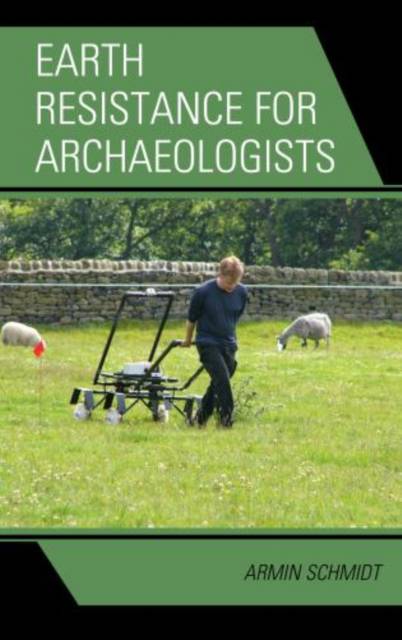
Earth Resistance for Archaeologists, written by the foremost expert in the field, provides archaeologists with the know-how required to exploit the significant potential of earth resistance methods. A wide variety of possible uses are presented, including cases where earth resistance surveys succeeded in mapping buried archaeological remains that magnetometer surveys were unable to detect. Examples include earth resistance data from many archaeological sites, including in England, Scotland, Nepal, Bangladesh, and more. The archaeological features that can be detected through earth resistance methods are varied, ranging from ditches, pits, and grave cuts to stone and brick foundations, and even include whole landscapes. Whereas area surveys were traditionally the most common earth resistance method, depth profiling and vertical imaging have become well-developed tools that allow electrical depth investigations in three dimensions. Both techniques are described in detail and archaeologists will be able to apply them in their work. Content is equally relevant for environmental investigations.
Specificaties
Betrokkenen
- Auteur(s):
- Uitgeverij:
Inhoud
- Aantal bladzijden:
- 218
- Taal:
- Engels
- Reeks:
Eigenschappen
- Productcode (EAN):
- 9780759112049
- Verschijningsdatum:
- 21/02/2013
- Uitvoering:
- Hardcover
- Formaat:
- Genaaid
- Afmetingen:
- 155 mm x 231 mm
- Gewicht:
- 476 g


Alleen bij Standaard Boekhandel
+ 390 punten op je klantenkaart van Standaard Boekhandel
AANGERADEN


Beoordelingen
We publiceren alleen reviews die voldoen aan de voorwaarden voor reviews. Bekijk onze voorwaarden voor reviews.