


- Afhalen na 1 uur in een winkel met voorraad
- Gratis thuislevering in België vanaf € 30
- Ruim aanbod met 7 miljoen producten
- Afhalen na 1 uur in een winkel met voorraad
- Gratis thuislevering in België vanaf € 30
- Ruim aanbod met 7 miljoen producten





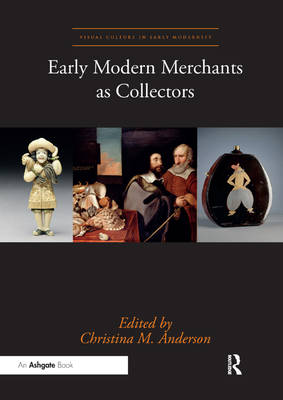
Early Modern Merchants as Collectors
€ 94,95
+ 189 punten
Eenvoudig bestellen
Veilig betalen


Gratis thuislevering vanaf € 30 (via bpost)
Gratis levering in je Standaard Boekhandel
Omschrijving
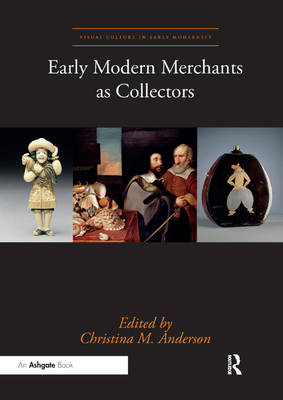
Early Modern Merchants as Collectors encourages the rethinking of collecting not as an elite, often aristocratic pursuit, but rather as a vital activity that has engaged many different groups within society. The essays included in this volume consider merchants not only as important collectors in their own right, as opposed to merely agents or middlemen, but also as innovators who determined taste. Through bringing together contributions on merchant collectors across a wide geographical spread, including England, The Netherlands, Venice, Moghul India, China and Japan, among other locations, it aims to challenge the often Eurocentric view of the study of collecting that has shaped the discipline to date. The early modern period and its Wunderkammern formed the subject of some of the earliest, foundational texts on collecting. This volume expands on such previous scholarship, taking a more in-depth look at a particular class of collectors and investigating their motivations, social and economic circumstances, and the intellectual ideas and purposes that informed their collecting. It offers a fresh approach to the understanding of the role of merchants in early modern societies and will serve as a resource to historians of art, science, museums, culture and economics, as well as to scholars of transcultural studies.
Specificaties
Betrokkenen
- Uitgeverij:
Inhoud
- Aantal bladzijden:
- 266
- Taal:
- Engels
- Reeks:
Eigenschappen
- Productcode (EAN):
- 9780367334109
- Verschijningsdatum:
- 18/04/2019
- Uitvoering:
- Paperback
- Formaat:
- Trade paperback (VS)
- Afmetingen:
- 174 mm x 246 mm
- Gewicht:
- 471 g

Alleen bij Standaard Boekhandel
+ 189 punten op je klantenkaart van Standaard Boekhandel
CADEAU

AANGERADEN


Beoordelingen
We publiceren alleen reviews die voldoen aan de voorwaarden voor reviews. Bekijk onze voorwaarden voor reviews.