


- Afhalen na 1 uur in een winkel met voorraad
- Gratis thuislevering in België vanaf € 30
- Ruim aanbod met 7 miljoen producten
- Afhalen na 1 uur in een winkel met voorraad
- Gratis thuislevering in België vanaf € 30
- Ruim aanbod met 7 miljoen producten





€ 36,45
+ 72 punten
Omschrijving
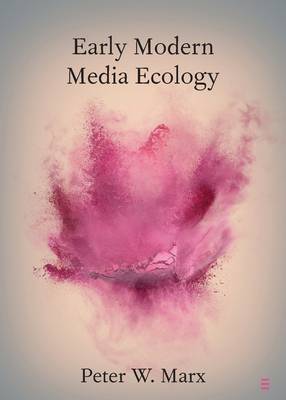
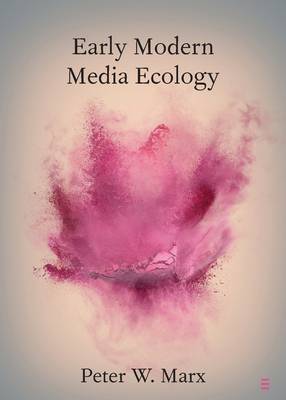
The early modern world was as enigmatic as it was dynamic. New epistemologies and technologies, open controversies about the world and afterworld, encounters with various cultures, and numerous forms of entertainment wetted the appetite for ever-new sensational experiences, an emerging visual language, and different social constellations. Thaumaturgy, the art of making wonder, was the historical term under which many of these forms were subsumed: encompassing everything from magic lanterns to puppets to fireworks, and deliberately mingling the spheres of commercial entertainment, art, and religion. But thaumaturgy was not just an idle pastime but a vital field of cultural and intercultural negotiation. This Element introduces this field and suggests a new form of historiography-media ecology-which focuses on connections, formations, and transformations and takes a global perspective.
Specificaties
Betrokkenen
- Auteur(s):
- Uitgeverij:
Inhoud
- Aantal bladzijden:
- 142
- Taal:
- Engels
- Reeks:
Eigenschappen
- Productcode (EAN):
- 9781009298100
- Verschijningsdatum:
- 15/02/2024
- Uitvoering:
- Paperback
- Formaat:
- Trade paperback (VS)
- Afmetingen:
- 127 mm x 178 mm
- Gewicht:
- 127 g


Alleen bij Standaard Boekhandel
+ 72 punten op je klantenkaart van Standaard Boekhandel
Cadeau

AANGERADEN


Beoordelingen
We publiceren alleen reviews die voldoen aan de voorwaarden voor reviews. Bekijk onze voorwaarden voor reviews.