


- Afhalen na 1 uur in een winkel met voorraad
- Gratis thuislevering in België vanaf € 30
- Ruim aanbod met 7 miljoen producten
- Afhalen na 1 uur in een winkel met voorraad
- Gratis thuislevering in België vanaf € 30
- Ruim aanbod met 7 miljoen producten




€ 16,45
+ 32 punten
Omschrijving
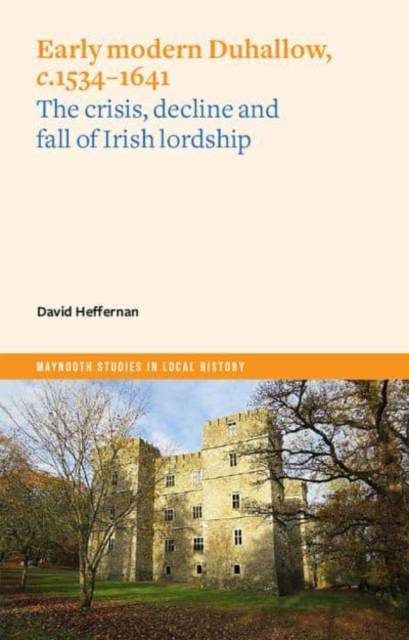
In the sixteenth century the Duhallow region of north-west Co. Cork was one of the most indisputably Irish parts of Ireland. Characterized geographically by the mountainous boggy lands of Sliabh Luachra, the region was dominated by the lordships of the MacDonogh-MacCarthys, the MacAuliffes, the O'Callaghans, and the O'Keeffes. By the mid-seventeenth century, however, these lordships had largely been dismantled and the region was increasingly dominated by New English settler families such as the Boyles, Percivals, and Aldworths residing around new towns at Newmarket and Kanturk. This study charts the transformation of early modern Duhallow by examining the crisis of Irish lordship in the region under the Tudors and the decline and fall of the lordships during the early Stuart period. In doing so, it examines a microcosm of how Irish lordship was often destroyed not by direct conquest and colonisation, but by a gradual process of economic, social, and political erosion.
Specificaties
Betrokkenen
- Auteur(s):
- Uitgeverij:
Inhoud
- Aantal bladzijden:
- 88
- Taal:
- Engels
- Reeks:
Eigenschappen
- Productcode (EAN):
- 9781801510295
- Verschijningsdatum:
- 24/03/2023
- Uitvoering:
- Paperback
- Formaat:
- Trade paperback (VS)
- Afmetingen:
- 140 mm x 215 mm
- Gewicht:
- 122 g


Alleen bij Standaard Boekhandel
+ 32 punten op je klantenkaart van Standaard Boekhandel
AANGERADEN


Beoordelingen
We publiceren alleen reviews die voldoen aan de voorwaarden voor reviews. Bekijk onze voorwaarden voor reviews.