


- Afhalen na 1 uur in een winkel met voorraad
- Gratis thuislevering in België vanaf € 30
- Ruim aanbod met 7 miljoen producten
- Afhalen na 1 uur in een winkel met voorraad
- Gratis thuislevering in België vanaf € 30
- Ruim aanbod met 7 miljoen producten





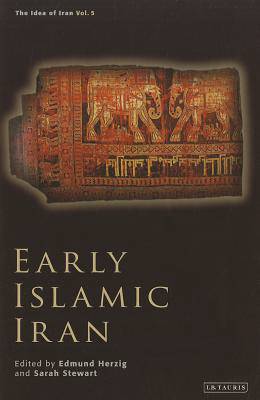
Early Islamic Iran
€ 161,45
+ 322 punten
Omschrijving
How did Iran remain distinctively Iranian in the centuries which followed the Arab Conquest? How did it retain its cultural distinctiveness after the displacement of Zoroastrianism - state religion of the Persian empire - by Islam? This latest volume in "The Idea of Iran" series traces that critical moment in Iranian history which followed the transformation of ancient traditions during the country's conversion and initial Islamic period. Distinguished contributors (who include the late Oleg Grabar, Roy Mottahedeh, Alan Williams and Said Amir Arjomand) discuss, from a variety of literary, artistic, religious and cultural perspectives, the years around the end of the first millennium CE, when the political strength of the 'Abbasid Caliphate was on the wane, and when the eastern lands of the Islamic empire began to be take on a fresh 'Persianate' or 'Perso-Islamic' character. One of the paradoxes of this era is that the establishment throughout the eastern Islamic territories of new Turkish dynasties coincided with the genesis and spread, into Central and South Asia, of vibrant new Persian language and literatures.
Exploring the nature of this paradox, separate chapters engage with ideas of kingship, authority and identity and their fascinating expression through the written word, architecture and the visual arts.
Specificaties
Betrokkenen
- Uitgeverij:
Inhoud
- Aantal bladzijden:
- 192
- Taal:
- Engels
- Reeks:
- Reeksnummer:
- nr. 5
Eigenschappen
- Productcode (EAN):
- 9781780760612
- Verschijningsdatum:
- 15/12/2011
- Uitvoering:
- Hardcover
- Formaat:
- Genaaid
- Afmetingen:
- 163 mm x 234 mm
- Gewicht:
- 498 g


Alleen bij Standaard Boekhandel
+ 322 punten op je klantenkaart van Standaard Boekhandel
Cadeau

AANGERADEN


Beoordelingen
We publiceren alleen reviews die voldoen aan de voorwaarden voor reviews. Bekijk onze voorwaarden voor reviews.