



Bedankt voor het vertrouwen het afgelopen jaar! Om jou te bedanken bieden we GRATIS verzending (in België) aan op alles gedurende de hele maand januari.
- Afhalen na 1 uur in een winkel met voorraad
- Gratis thuislevering in België vanaf € 30
- Ruim aanbod met 7 miljoen producten
Bedankt voor het vertrouwen het afgelopen jaar! Om jou te bedanken bieden we GRATIS verzending (in België) aan op alles gedurende de hele maand januari.
- Afhalen na 1 uur in een winkel met voorraad
- Gratis thuislevering in België vanaf € 30
- Ruim aanbod met 7 miljoen producten





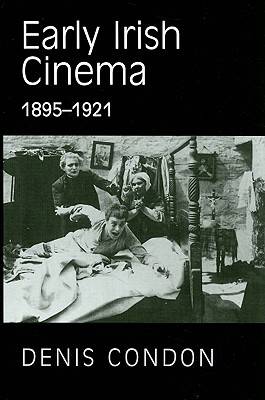
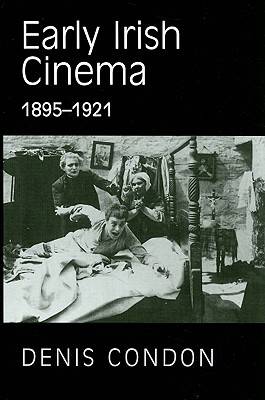
Omschrijving
This book examines early and silent cinema and its contexts in Ireland, 1895-1921. It explores the extent to which cinema fostered a new way of looking in and at Ireland and the extent to which the new technology inherited forms of looking from the image-producing cultural practices of the theatre, tourism, and such public events as state occasions, political protests, and sports meetings. It argues that before cinema emerged as an independent institution in the late 1910s, it was comprehensively intermedial, not only adapting to the presentational strategies of such forms as the fairground attraction, the melodrama, and the magic lantern lecture, but actually constituting these forms and altering them in the process. In locating cinema in relation to popular and elite culture during a key period of Irish history, it draws in particular on surviving films and photographs; articles and illustrations in newspapers, magazines, and trade journals; contemporary accounts; and official documents. Working against approaches that see early cinema as a precursor to the so-called 'classical' cinema of the 1920s onwards, it provide its readers with a wealth of contemporary material that allows them to see early cinema in its own terms as an evolving (audio-) visual form.
Specificaties
Betrokkenen
- Auteur(s):
- Uitgeverij:
Inhoud
- Aantal bladzijden:
- 305
- Taal:
- Engels
Eigenschappen
- Productcode (EAN):
- 9780716529729
- Verschijningsdatum:
- 1/10/2008
- Uitvoering:
- Hardcover
- Formaat:
- Ongenaaid / garenloos gebonden
- Afmetingen:
- 160 mm x 239 mm
- Gewicht:
- 635 g


Alleen bij Standaard Boekhandel
+ 201 punten op je klantenkaart van Standaard Boekhandel
CADEAU


Beoordelingen
We publiceren alleen reviews die voldoen aan de voorwaarden voor reviews. Bekijk onze voorwaarden voor reviews.