


- Afhalen na 1 uur in een winkel met voorraad
- Gratis thuislevering in België vanaf € 30
- Ruim aanbod met 7 miljoen producten
- Afhalen na 1 uur in een winkel met voorraad
- Gratis thuislevering in België vanaf € 30
- Ruim aanbod met 7 miljoen producten





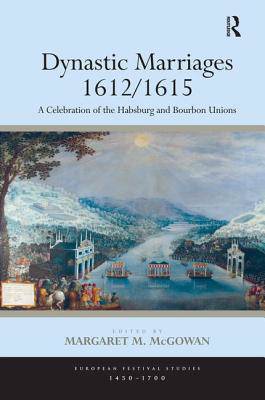
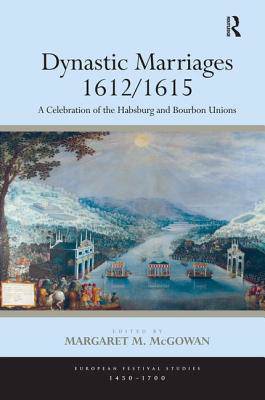
Dynastic Marriages 1612/1615
A Celebration of the Habsburg and Bourbon Unions
€ 343,45
+ 686 punten
Omschrijving
The union of the two royal houses - the Habsburgs and the Bourbons - in the early seventeenth century illustrates the extent to which marriage was a tool of government in Renaissance Europe, and festivals a manifestation of power and cultural superiority. With contributions from scholars representing a range of disciplines, this volume provides an all-round view of the sequence of festivals and events surrounding the dynastic marriages which were agreed upon in 1612 but not celebrated until 1615 owing to the constant interruption of festivities by protestant uprisings.
Specificaties
Betrokkenen
- Uitgeverij:
Inhoud
- Aantal bladzijden:
- 328
- Taal:
- Engels
- Reeks:
Eigenschappen
- Productcode (EAN):
- 9781409457251
- Verschijningsdatum:
- 15/04/2013
- Uitvoering:
- Hardcover
- Formaat:
- Genaaid
- Afmetingen:
- 156 mm x 234 mm
- Gewicht:
- 635 g

Alleen bij Standaard Boekhandel
+ 686 punten op je klantenkaart van Standaard Boekhandel
Cadeau

AANGERADEN


Beoordelingen
We publiceren alleen reviews die voldoen aan de voorwaarden voor reviews. Bekijk onze voorwaarden voor reviews.