


- Afhalen na 1 uur in een winkel met voorraad
- Gratis thuislevering in België vanaf € 30
- Ruim aanbod met 7 miljoen producten
- Afhalen na 1 uur in een winkel met voorraad
- Gratis thuislevering in België vanaf € 30
- Ruim aanbod met 7 miljoen producten





€ 140,45
+ 280 punten
Omschrijving
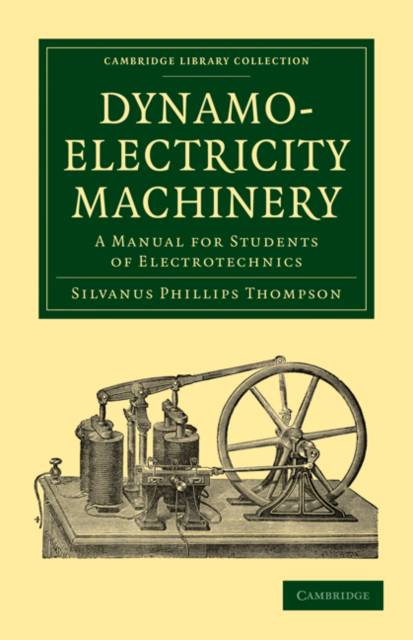
Silvanus P. Thompson (1851-1916) was a physicist and electrical engineer. A professor by the age of 27, he taught at University College, Bristol, and the City and Guilds Finsbury Technical College in London, and was a leading expert on the newly emerging subject of electrical lighting. This work, first published in 1884, is considered a classic in the field. In this third edition (1888), Thompson explains that he has updated much of the work, and made an important amendment in Chapter XIV about the introduction of magnetic circuits into theoretical arguments about energy production. The book begins with an explanation of how dynamos turn mechanical power into electricity, and moves on to discuss some historical background and theoretical aspects before giving detailed descriptions and illustrations of the many types of dynamo. It is an important source document for the field of electrical engineering at the end of the nineteenth century.
Specificaties
Betrokkenen
- Auteur(s):
- Uitgeverij:
Inhoud
- Aantal bladzijden:
- 690
- Taal:
- Engels
- Reeks:
Eigenschappen
- Productcode (EAN):
- 9781108026871
- Verschijningsdatum:
- 19/05/2011
- Uitvoering:
- Paperback
- Formaat:
- Trade paperback (VS)
- Afmetingen:
- 140 mm x 216 mm
- Gewicht:
- 861 g


Alleen bij Standaard Boekhandel
+ 280 punten op je klantenkaart van Standaard Boekhandel
Cadeau

AANGERADEN


Beoordelingen
We publiceren alleen reviews die voldoen aan de voorwaarden voor reviews. Bekijk onze voorwaarden voor reviews.