


- Afhalen na 1 uur in een winkel met voorraad
- Gratis thuislevering in België vanaf € 30
- Ruim aanbod met 7 miljoen producten
- Afhalen na 1 uur in een winkel met voorraad
- Gratis thuislevering in België vanaf € 30
- Ruim aanbod met 7 miljoen producten





€ 151,95
+ 303 punten
Eenvoudig bestellen
Veilig betalen


Gratis thuislevering vanaf € 30 (via bpost)
Gratis levering in je Standaard Boekhandel
Omschrijving
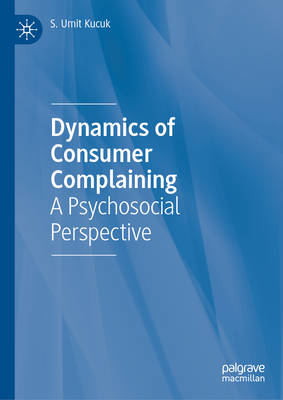
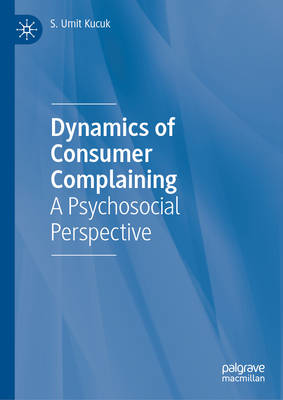
This book offers a psychosocial framework for understanding the rise of consumer complaint behavior in the digital age. Drawing from psychology, sociology, and marketing theory, the author reconceptualizes complaining as a multidimensional phenomenon--one that reflects not only dissatisfaction with products and services, but also deeper needs for validation, control, and self-worth.
The book introduces a novel typology of complainers and proposes the "Complaining Matrix," a diagnostic tool that distinguishes between legitimate and insidious complaints based on psychological thresholds and social triggers.
Through a variety case studies, from ancient Mesopotamian clay tablets to viral social media campaigns, the book traces the evolution of consumer voice and its implications for business ethics, public policy, and market regulation. Kucuk's integration of intrapsychic and interpersonal dimensions of complaining behavior advances the field by bridging consumer behavior research with broader societal concerns, including entitlement culture, digital empowerment, and the normalization of grievance.
This volume is essential reading for scholars in marketing, consumer psychology, and business ethics seeking to understand the shifting landscape of consumer-firm relations and the emotional economy of complaint.
Specificaties
Betrokkenen
- Auteur(s):
- Uitgeverij:
Inhoud
- Taal:
- Engels
Eigenschappen
- Productcode (EAN):
- 9783032321596
- Verschijningsdatum:
- 28/08/2026
- Uitvoering:
- Hardcover
- Formaat:
- Genaaid
- Afmetingen:
- 148 mm x 210 mm


Alleen bij Standaard Boekhandel
+ 303 punten op je klantenkaart van Standaard Boekhandel
CADEAU

AANGERADEN


Beoordelingen
We publiceren alleen reviews die voldoen aan de voorwaarden voor reviews. Bekijk onze voorwaarden voor reviews.