


- Afhalen na 1 uur in een winkel met voorraad
- Gratis thuislevering in België vanaf € 30
- Ruim aanbod met 7 miljoen producten
- Afhalen na 1 uur in een winkel met voorraad
- Gratis thuislevering in België vanaf € 30
- Ruim aanbod met 7 miljoen producten





€ 177,45
+ 354 punten
Omschrijving
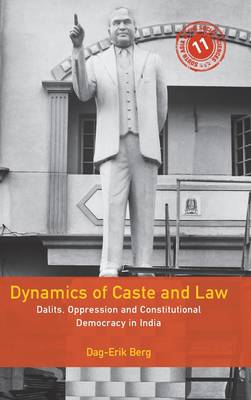
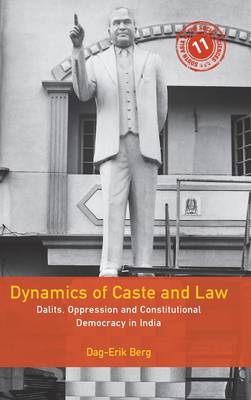
Dynamics of Caste and Law breaks new ground in understanding how caste and law relate in India's democratic order. Caste has become a visible phenomenon often associated with discrimination, inequality and politics in India and globally. India's constitutional democracy has had a remarkable goal of creating equality in a context of caste. Despite constitutional promises with equal opportunities for the lower castes and outlawing of untouchability at the time of independence, recurring atrocities and inadequate implementation of law have called for rethinking and legal change. This book sheds new light on why caste oppression persists by using new theoretical perspectives as well as Bhimrao Ambedkar's concepts of the caste system. Focusing on struggles among India's Dalits, the castes formerly known as untouchables, the book draws on a rich material and explains, among other things, mechanisms of oppression and how powerful actors may gain influence in institutions of law and state.
Specificaties
Betrokkenen
- Auteur(s):
- Uitgeverij:
Inhoud
- Aantal bladzijden:
- 260
- Taal:
- Engels
- Reeks:
- Reeksnummer:
- nr. 11
Eigenschappen
- Productcode (EAN):
- 9781108489874
- Verschijningsdatum:
- 27/02/2020
- Uitvoering:
- Hardcover
- Formaat:
- Genaaid
- Afmetingen:
- 175 mm x 234 mm
- Gewicht:
- 453 g


Alleen bij Standaard Boekhandel
+ 354 punten op je klantenkaart van Standaard Boekhandel
Cadeau

AANGERADEN


Beoordelingen
We publiceren alleen reviews die voldoen aan de voorwaarden voor reviews. Bekijk onze voorwaarden voor reviews.