


- Afhalen na 1 uur in een winkel met voorraad
- Gratis thuislevering in België vanaf € 30
- Ruim aanbod met 7 miljoen producten
- Afhalen na 1 uur in een winkel met voorraad
- Gratis thuislevering in België vanaf € 30
- Ruim aanbod met 7 miljoen producten





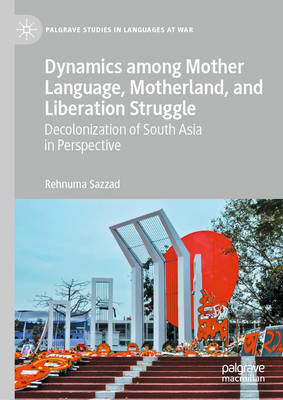
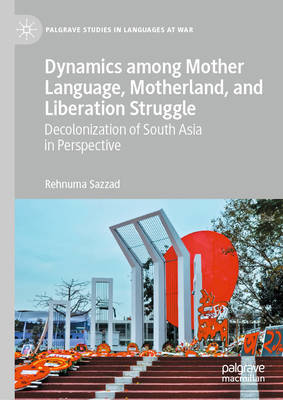
Dynamics Among Mother Language, Motherland, and Liberation Struggle
Decolonization of South Asia in Perspective
Rehnuma Sazzad
€ 128,45
+ 256 punten
Omschrijving
This book offers a comparative study of how language movements shaped divergent paths of nation-building in postcolonial South Asia. Focusing on East Pakistan (now Bangladesh) and Tamil-speaking regions of Sri Lanka, it examines why two linguistic struggles--both rooted in cultural rights--produced radically different outcomes: a successful Liberation War in 1971 and a protracted Civil War from the 1980s onward. Drawing on Benedict Anderson, Edward Said, and Gayatri Spivak, it explores official nationalisms (Urdu, Sinhala) versus vernacular counter-nationalisms (Bengali, Tamil); reveals how writers of novels, poems, and plays shaped national consciousness; and highlights contrasting impacts of language movements on women's emancipation. The book traces the trajectory from cultural grievance to armed struggle, arguing that language rights are not symbolic but structural to political life in decolonized states. By comparing the secular Bengali movement with the sectarian Tamil struggle, it illuminates the possibilities--and limits--of emancipation in modern times.
Specificaties
Betrokkenen
- Auteur(s):
- Uitgeverij:
Inhoud
- Aantal bladzijden:
- 365
- Taal:
- Engels
- Reeks:
Eigenschappen
- Productcode (EAN):
- 9783032285423
- Verschijningsdatum:
- 10/08/2026
- Uitvoering:
- Hardcover
- Formaat:
- Genaaid
- Afmetingen:
- 148 mm x 210 mm


Alleen bij Standaard Boekhandel
+ 256 punten op je klantenkaart van Standaard Boekhandel
Cadeau

AANGERADEN


Beoordelingen
We publiceren alleen reviews die voldoen aan de voorwaarden voor reviews. Bekijk onze voorwaarden voor reviews.