


- Afhalen na 1 uur in een winkel met voorraad
- Gratis thuislevering in België vanaf € 30
- Ruim aanbod met 7 miljoen producten
- Afhalen na 1 uur in een winkel met voorraad
- Gratis thuislevering in België vanaf € 30
- Ruim aanbod met 7 miljoen producten





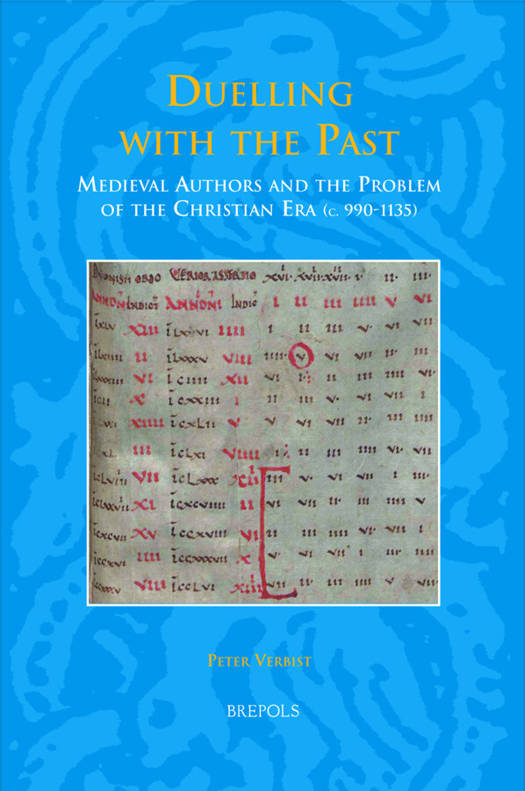
Duelling with the Past
Medieval Authors and the Problem of the Christian Era (C. 990-1135)
Peter Verbist
€ 79,50
+ 159 punten
Omschrijving
This volume discusses the controversy surrounding the dating of the Christian Era in the Middle Ages and its effect on the 'emergence' of the individual in medieval society. It focuses on eight medieval authors (Heriger of Lobbes, Abbo of Fleury, Marianus Scottus, Gerland the Computist, Hezelo of Cluny, an anonymous author in Limoges, Sigebert of Gembloux, and Heimo of Bamberg), all of whom attempted to correct the date of Christ's incarnation according to the Easter tables of the Scythian monk Dionysius Exiguus (c. 540). As this volume argues, these authors entered into a duel with the past, attempting to reassign the year of Christ's birth and in the process negotiating contradictory authoritative traditions. On a superficial level these scholars appeared to be unsuccessful in their attempts to reconstruct history, as none of their proposed corrections replaced the existing (erroneous) Christian era that had been established in the Latin West. On a practical level, however, this defeat can be counterbalanced by the conclusion that the corrections provided by these authors acted as an important step in the increasing movement of medieval authors towards intellectual autonomy. In Duelling with the Past, Verbist's analysis explores the links between computistical sources and the 'emergence' of the individual in the Middle Ages.
Specificaties
Betrokkenen
- Auteur(s):
- Uitgeverij:
Inhoud
- Aantal bladzijden:
- 376
- Taal:
- Engels
- Reeks:
- Reeksnummer:
- nr. 21
Eigenschappen
- Productcode (EAN):
- 9782503520735
- Verschijningsdatum:
- 1/08/2009
- Uitvoering:
- Hardcover
- Formaat:
- Ongenaaid / garenloos gebonden
- Afmetingen:
- 160 mm x 239 mm
- Gewicht:
- 793 g


Alleen bij Standaard Boekhandel
+ 159 punten op je klantenkaart van Standaard Boekhandel
Cadeau

AANGERADEN


Beoordelingen
We publiceren alleen reviews die voldoen aan de voorwaarden voor reviews. Bekijk onze voorwaarden voor reviews.