


- Afhalen na 1 uur in een winkel met voorraad
- Gratis thuislevering in België vanaf € 30
- Ruim aanbod met 7 miljoen producten
- Afhalen na 1 uur in een winkel met voorraad
- Gratis thuislevering in België vanaf € 30
- Ruim aanbod met 7 miljoen producten





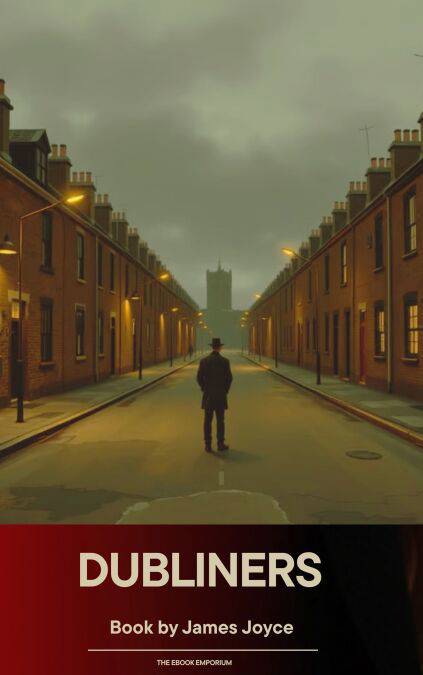
Omschrijving
"I gazed up into the darkness and saw myself as a creature driven and derided by vanity."
James Joyce's Dubliners offers an unflinching look at the lives of ordinary citizens in a city caught between a glorious past and an uncertain future. From the innocent longings of a young boy in "Araby" to the devastating domestic realizations in "The Dead," these stories capture moments of profound personal "epiphany"—sudden flashes of spiritual or psychological clarity. Joyce meticulously maps the streets, pubs, and parlors of Dublin, revealing the quiet tragedies and hidden desires of its inhabitants as they struggle against the "paralysis" of religion, poverty, and tradition.
The Four Stages of Life: Joyce structured the collection to mirror the progression of a human life, moving from the innocence of childhood to the complexities of public life.
Childhood: Stories like "The Sisters" and "An Encounter" explore the first brushes with death and mystery.
Adolescence: "Araby" and "Eveline" capture the painful transition into adulthood and the weight of family duty.
Maturity: "A Little Cloud" and "Counterparts" examine the frustrations of marriage and career.
Public Life: "Ivy Day in the Committee Room" and "The Dead" look at politics, social status, and the ghosts of Irish history.
The Masterpiece: "The Dead": The collection culminates in "The Dead," widely regarded as one of the finest short stories ever written. As Gabriel Conroy attends a holiday party, a simple song triggers a revelation about his wife's past and his own insignificance. The story's final, haunting image of snow falling "faintly through the universe" remains one of the most celebrated passages in literature.
Discover the soul of a city. Purchase "Dubliners" today and experience the birth of modern literature.
James Joyce's Dubliners offers an unflinching look at the lives of ordinary citizens in a city caught between a glorious past and an uncertain future. From the innocent longings of a young boy in "Araby" to the devastating domestic realizations in "The Dead," these stories capture moments of profound personal "epiphany"—sudden flashes of spiritual or psychological clarity. Joyce meticulously maps the streets, pubs, and parlors of Dublin, revealing the quiet tragedies and hidden desires of its inhabitants as they struggle against the "paralysis" of religion, poverty, and tradition.
The Four Stages of Life: Joyce structured the collection to mirror the progression of a human life, moving from the innocence of childhood to the complexities of public life.
Childhood: Stories like "The Sisters" and "An Encounter" explore the first brushes with death and mystery.
Adolescence: "Araby" and "Eveline" capture the painful transition into adulthood and the weight of family duty.
Maturity: "A Little Cloud" and "Counterparts" examine the frustrations of marriage and career.
Public Life: "Ivy Day in the Committee Room" and "The Dead" look at politics, social status, and the ghosts of Irish history.
The Masterpiece: "The Dead": The collection culminates in "The Dead," widely regarded as one of the finest short stories ever written. As Gabriel Conroy attends a holiday party, a simple song triggers a revelation about his wife's past and his own insignificance. The story's final, haunting image of snow falling "faintly through the universe" remains one of the most celebrated passages in literature.
Discover the soul of a city. Purchase "Dubliners" today and experience the birth of modern literature.
Specificaties
Betrokkenen
- Auteur(s):
- Uitgeverij:
Inhoud
- Aantal bladzijden:
- 215
- Taal:
- Engels
Eigenschappen
- Productcode (EAN):
- 9791070054505
- Verschijningsdatum:
- 11/01/2026
- Uitvoering:
- E-book
- Beveiligd met:
- Digital watermarking
- Formaat:
- ePub


Alleen bij Standaard Boekhandel
Cadeau

AANGERADEN


Beoordelingen
We publiceren alleen reviews die voldoen aan de voorwaarden voor reviews. Bekijk onze voorwaarden voor reviews.