


- Afhalen na 1 uur in een winkel met voorraad
- Gratis thuislevering in België vanaf € 30
- Ruim aanbod met 7 miljoen producten
- Afhalen na 1 uur in een winkel met voorraad
- Gratis thuislevering in België vanaf € 30
- Ruim aanbod met 7 miljoen producten





€ 69,45
+ 138 punten
Omschrijving
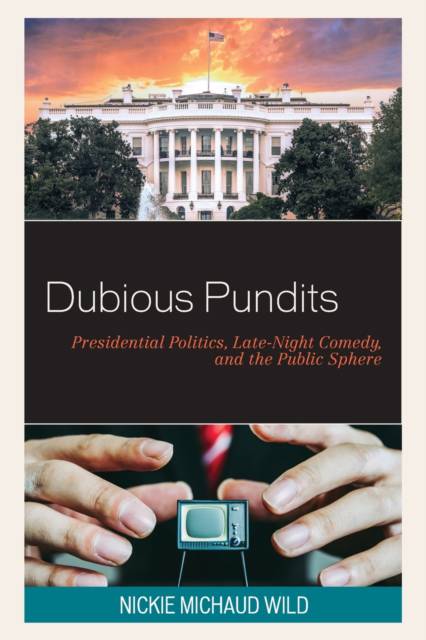
Over the last decades of the 20th century, and into the 21st, humor on late-night TV became a more influential part of the United States' political conversations. Not only did viewers talk about what the shows were saying, but serious journalists in newspapers and television news did as well. This book explores how Jon Stewart and Stephen Colbert became popular pundits, with their commentaries often being shown on the news or quoted in the papers, and how Tina Fey's parody of Sarah Palin eclipsed the real life candidate herself. This transformation occurred after the attacks on 9/11 and the beginning of the War in Iraq, when comedy figures were often more critical and informative than traditional news sources. At the same time, they became more substantive in their critiques than political humor often had been in the past, which relied heavily on mocking political candidates' personality quirks. Using transcripts from Saturday Night Live, The Daily Show, and The Colbert Report during the presidential elections from 1980-2008, this book takes a comprehensive look at how the comedy itself transformed. In addition, the analysis includes how journalists in the Washington Post and the New York Times discussed the shows at the time, revealing how they once denigrated the programs, but came to regard them as valuable narrative resources.
Specificaties
Betrokkenen
- Auteur(s):
- Uitgeverij:
Inhoud
- Aantal bladzijden:
- 180
- Taal:
- Engels
- Reeks:
Eigenschappen
- Productcode (EAN):
- 9781498567381
- Verschijningsdatum:
- 23/03/2023
- Uitvoering:
- Paperback
- Formaat:
- Trade paperback (VS)
- Afmetingen:
- 152 mm x 229 mm
- Gewicht:
- 272 g


Alleen bij Standaard Boekhandel
+ 138 punten op je klantenkaart van Standaard Boekhandel
Cadeau

AANGERADEN


Beoordelingen
We publiceren alleen reviews die voldoen aan de voorwaarden voor reviews. Bekijk onze voorwaarden voor reviews.