


- Afhalen na 1 uur in een winkel met voorraad
- Gratis thuislevering in België vanaf € 30
- Ruim aanbod met 7 miljoen producten
- Afhalen na 1 uur in een winkel met voorraad
- Gratis thuislevering in België vanaf € 30
- Ruim aanbod met 7 miljoen producten





€ 112,45
+ 224 punten
Omschrijving
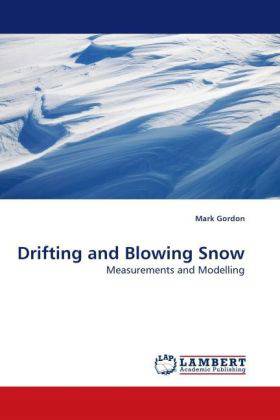
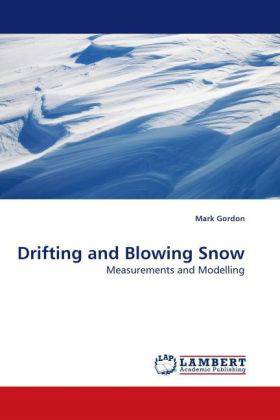
Blowing snow is a frequent and significant winter weather event, and there is currently a need for more observations and measurements of blowing snow, especially in arctic and subarctic environments. This book describes the development of two camera systems which measure the size and velocity of blowing snow particles and the relative blowing snow density profile near the snow surface. These systems were used, along with standard meteorological instruments and optical particle counters, during field campaigns at Franklin Bay, NWT, and at Churchill, MB, Canada. Results of these measurements are presented, which provide valuable insight into the structure and dynamics of blowing snow. Modelling studies with the Canadian Land Surface Scheme (CLASS) and previous measurements of snow depth at Goose Bay, Hay River, the Beaufort Sea, Franklin Bay, and Resolute demonstrate that blowing snow sublimation can have a substantial effect on snow depth.
Specificaties
Betrokkenen
- Auteur(s):
- Uitgeverij:
Inhoud
- Aantal bladzijden:
- 216
- Taal:
- Engels
Eigenschappen
- Productcode (EAN):
- 9783838310084
- Verschijningsdatum:
- 24/08/2009
- Uitvoering:
- Paperback
- Afmetingen:
- 150 mm x 13 mm
- Gewicht:
- 303 g


Alleen bij Standaard Boekhandel
+ 224 punten op je klantenkaart van Standaard Boekhandel
Cadeau

AANGERADEN


Beoordelingen
We publiceren alleen reviews die voldoen aan de voorwaarden voor reviews. Bekijk onze voorwaarden voor reviews.