


- Afhalen na 1 uur in een winkel met voorraad
- Gratis thuislevering in België vanaf € 30
- Ruim aanbod met 7 miljoen producten
- Afhalen na 1 uur in een winkel met voorraad
- Gratis thuislevering in België vanaf € 30
- Ruim aanbod met 7 miljoen producten





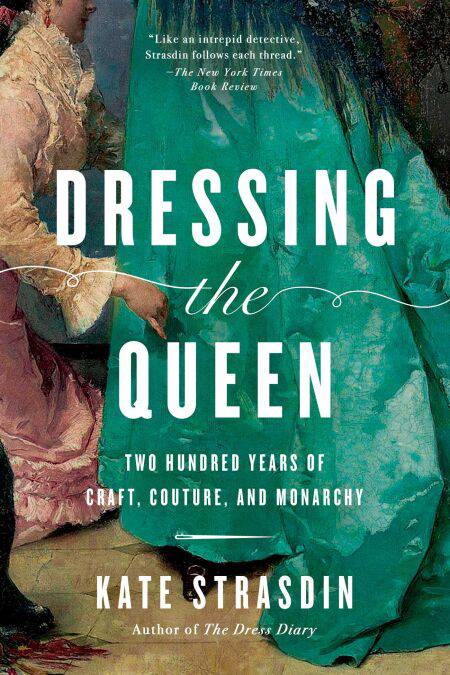
Dressing the Queen E-BOOK
Two Hundred Years of Craft, Couture, and Monarchy
Kate Strasdin
E-book | Engels
€ 22,36
+ 22 punten
Omschrijving
A revealing history that explores the artistry, craftmanship, and traditions behind the royal wardrobe.
"A truly wonderful and fascinating book!”—Lady Anne Glenconner
From tours and walkabouts to the dazzling spectacle of a wedding or Coronation, the clothes worn by royal women have always been a fascination. Starting with Queen Victoria and moving to the modern Elizabethan age, Dressing the Queen hows the incredible craftmanship and painstaking effort that go into the making of what is known as the "Royal Wardrobe," from handmade boots to Crown Jewels; country tweeds to delicate stockings.
Dress historian Kate Strasdin reveals a tribe of previously unsung women and men. Some may be more renowned—such as designer Norman Hartnell or suitcase-maker Louis Vuitton—but most are ordinary, highly talented working people from across the British Isles. From rural straw plaiters to wartime coat-makers and refugee glovers, their skilled labour is a vital part of our country’s history.
As we see modern princesses sally forth in fantastically arranged ensembles, we can think again of the vanishing trades that once employed millions—and still remain integral to royal life today.
"A truly wonderful and fascinating book!”—Lady Anne Glenconner
From tours and walkabouts to the dazzling spectacle of a wedding or Coronation, the clothes worn by royal women have always been a fascination. Starting with Queen Victoria and moving to the modern Elizabethan age, Dressing the Queen hows the incredible craftmanship and painstaking effort that go into the making of what is known as the "Royal Wardrobe," from handmade boots to Crown Jewels; country tweeds to delicate stockings.
Dress historian Kate Strasdin reveals a tribe of previously unsung women and men. Some may be more renowned—such as designer Norman Hartnell or suitcase-maker Louis Vuitton—but most are ordinary, highly talented working people from across the British Isles. From rural straw plaiters to wartime coat-makers and refugee glovers, their skilled labour is a vital part of our country’s history.
As we see modern princesses sally forth in fantastically arranged ensembles, we can think again of the vanishing trades that once employed millions—and still remain integral to royal life today.
Specificaties
Betrokkenen
- Auteur(s):
- Uitgeverij:
Inhoud
- Aantal bladzijden:
- 368
- Taal:
- Engels
Eigenschappen
- Productcode (EAN):
- 9798897101955
- Verschijningsdatum:
- 31/08/2026
- Uitvoering:
- E-book
- Beveiligd met:
- Adobe DRM
- Formaat:
- ePub


Alleen bij Standaard Boekhandel
+ 22 punten op je klantenkaart van Standaard Boekhandel
Cadeau

AANGERADEN


Beoordelingen
We publiceren alleen reviews die voldoen aan de voorwaarden voor reviews. Bekijk onze voorwaarden voor reviews.