


- Afhalen na 1 uur in een winkel met voorraad
- Gratis thuislevering in België vanaf € 30
- Ruim aanbod met 7 miljoen producten
- Afhalen na 1 uur in een winkel met voorraad
- Gratis thuislevering in België vanaf € 30
- Ruim aanbod met 7 miljoen producten




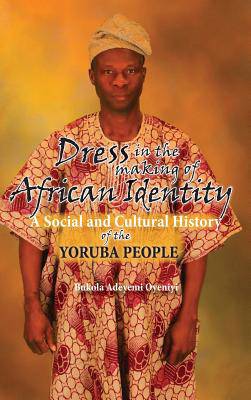
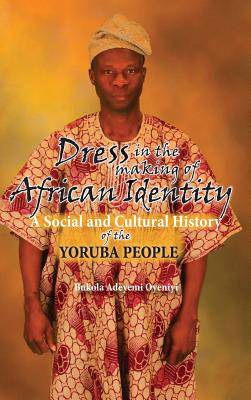
Dress in the Making of African Identity
A Social and Cultural History of the Yoruba People
Bukola Adeyemi Oyeniyi
Hardcover | Engels
€ 201,45
+ 402 punten
Omschrijving
This is a book on the social and cultural history of Yoruba people, a people in southwest Nigeria. As the first to provide a comprehensive treatment of Yoruba dress in historical perspective, this book is an important contribution to African history in general and the Yoruba cultural history in particular. The book illuminates the impact of Christianity, Islam, and British colonialism on the construction of Yoruba identity, and how dress was entangled in that construction. It also provides insightful discussions of the transformations in dress culture since independence and demonstrates the importance of dress as a site for contesting and articulating postcolonial Yoruba identity and class structure within the Nigerian national space. This book provides many insights into these issues and is thus an invaluable addition to Africana studies, anthropology, and history.
Specificaties
Betrokkenen
- Auteur(s):
- Uitgeverij:
Inhoud
- Aantal bladzijden:
- 304
- Taal:
- Engels
Eigenschappen
- Productcode (EAN):
- 9781604978995
- Verschijningsdatum:
- 28/09/2015
- Uitvoering:
- Hardcover
- Formaat:
- Genaaid
- Afmetingen:
- 152 mm x 229 mm
- Gewicht:
- 616 g


Alleen bij Standaard Boekhandel
+ 402 punten op je klantenkaart van Standaard Boekhandel
Cadeau

AANGERADEN


Beoordelingen
We publiceren alleen reviews die voldoen aan de voorwaarden voor reviews. Bekijk onze voorwaarden voor reviews.